R Metal Roofing: Durable, Affordable Strength for Builders and Contractors
In the dynamic world of construction, selecting the right materials is paramount to a project’s success, influencing everything from structural integrity and longevity to overall cost-effectiveness and aesthetic appeal. For builders and contractors seeking a roofing solution that balances exceptional durability with remarkable affordability, R Metal Roofing stands out as a superior choice. Often referring to R-panel metal roofing, this profile has become a go-to for a vast array of applications, from commercial and industrial buildings to agricultural structures and increasingly, modern residential designs. Its robust design, coupled with its economic advantages, positions R Metal Roofing as an indispensable asset for those aiming to deliver high-quality, long-lasting structures without compromising budget constraints.
This comprehensive guide will delve into the multifaceted benefits of R Metal Roofing, exploring its inherent strength, cost-efficiency, installation nuances, and practical considerations that make it an intelligent investment for any construction professional. For more information on this versatile material, you can explore resources on R Metal Roofing.
Understanding R-Panel Metal Roofing: The Basics
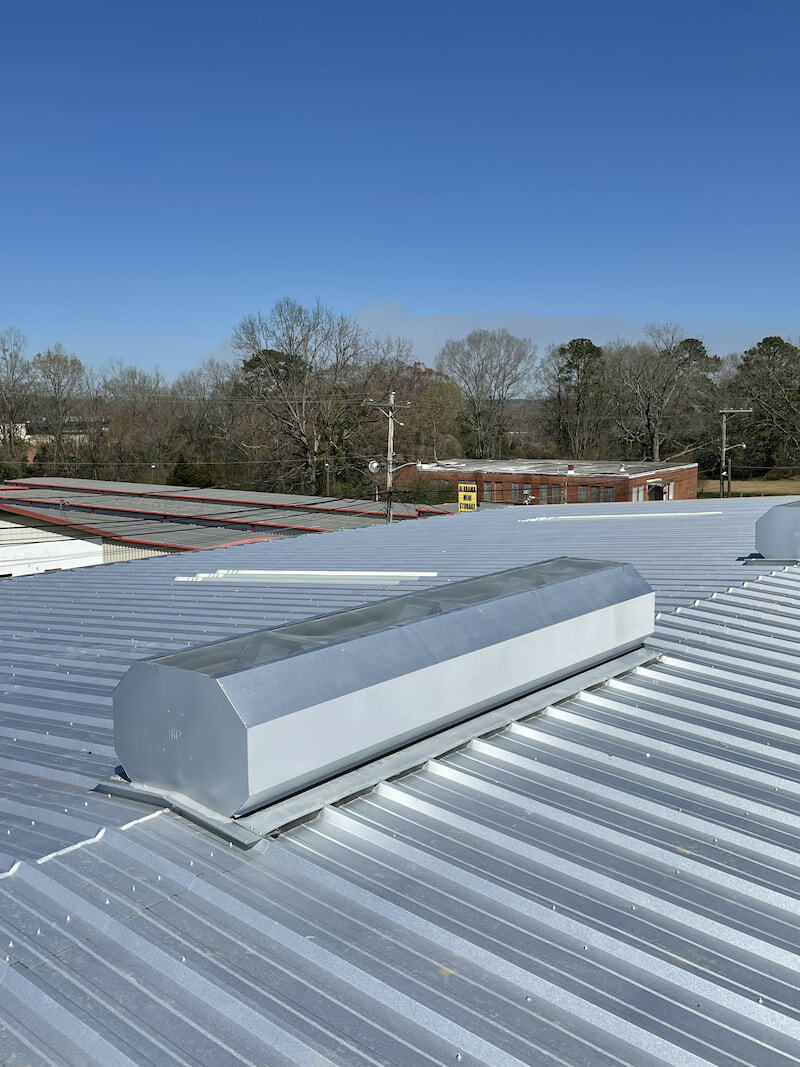
At its core, R-panel metal roofing is characterized by its distinctive ribbed profile, featuring high ribs and flat pans. These panels are typically manufactured in widths of 36 inches, with rib heights commonly ranging from 1 to 1.25 inches. This design provides significant structural rigidity and excellent water shedding capabilities.
The primary material for R-panels is steel, often treated with protective coatings like galvanized (zinc) or Galvalume (a zinc-aluminum alloy) to prevent rust and corrosion. Aluminum is also an option, particularly for coastal environments where salt corrosion is a major concern. The thickness of the steel is measured in gauges, with common options being 29-gauge (thinner), 26-gauge, and 24-gauge (thicker and more robust). Thicker gauges offer superior strength and impact resistance but come at a higher cost.
Finishes play a crucial role in both the aesthetics and performance of R-panels. While unpainted Galvalume offers a classic industrial look and excellent corrosion resistance, painted finishes are incredibly popular. These typically utilize Silicone Modified Polyester (SMP) or the more premium Kynar 500®/Hylar 5000® (PVDF) paint systems, offering a vast palette of colors and superior resistance to fading and chalking over decades.
The Unmatched Durability of R Metal Roofing
Durability is arguably the most compelling feature of R Metal Roofing, offering a lifespan that far surpasses traditional asphalt shingles and even many other roofing materials.
- Exceptional Longevity: R-panel roofs typically boast a lifespan of 40 to 60 years, with many installations lasting even longer with proper maintenance. This contrasts sharply with asphalt shingles, which often require replacement every 15-20 years.
- Superior Weather Resistance: Engineered to withstand harsh environmental conditions, R Metal Roofing excels against:
- Wind Uplift: When properly installed with the correct fasteners, R-panels can endure extreme wind speeds, often rated for hurricane-force winds, making them ideal for high-wind zones.
- Hail Impact: The robust nature of steel, particularly in thicker gauges, provides excellent resistance to hail damage, minimizing the risk of punctures and cosmetic blemishes.
- Snow Load: The structural strength of the ribbed panels can support significant snow loads, and their slick surface encourages snow to slide off, reducing stress on the building’s structure.
- Fire Resistance: Metal roofing is non-combustible, earning Class A fire ratings, which can lead to reduced insurance premiums and enhanced safety.
- Corrosion Resistance: Modern R-panels feature advanced metallic coatings (Galvalume, galvanized) and high-performance paint systems that provide formidable protection against rust and corrosion, even in challenging climates.
- Low Maintenance Requirements: Once installed, R Metal Roofing demands very little in terms of ongoing maintenance. Periodic inspections to check fasteners and clear debris are generally sufficient, freeing up resources for other aspects of a project.
Affordability: A Smart Investment for Projects
While the initial cost of R Metal Roofing might appear higher than basic asphalt shingles, its long-term affordability and value proposition make it an incredibly smart investment for builders and contractors.
- Competitive Initial Cost: For many projects, especially commercial, industrial, or large agricultural buildings, the material cost of R-panels can be highly competitive, often comparable to or even less than premium architectural shingles.
- Significantly Lower Lifecycle Cost: The true economic advantage of R Metal Roofing lies in its lifecycle cost. Its extraordinary longevity eliminates the need for frequent replacements, saving property owners tens of thousands of dollars over the roof’s lifespan in material and labor costs.
- Installation Efficiency: R-panels are manufactured in long lengths (up to 40+ feet), allowing large sections of a roof to be covered quickly. This efficiency translates directly into reduced labor costs and faster project completion times, a significant benefit for contractors managing tight schedules.
- Energy Efficiency: Many R Metal Roofing systems are ENERGY STAR® certified. Their reflective surfaces can reduce heat absorption, lowering attic temperatures and subsequently decreasing cooling costs by 10-25% or more. This energy efficiency can also qualify projects for green building certifications and potential rebates.
- Enhanced Resale Value: A durable, aesthetically pleasing metal roof adds significant curb appeal and perceived value to a property, often providing a strong return on investment upon sale.
Strength and Structural Integrity: Beyond the Surface
The strength of R Metal Roofing extends beyond its ability to resist weather; it also contributes positively to the overall structural integrity of the building.
- Designed for Rigidity: The ribbed profile is not merely aesthetic; it’s a structural design feature that provides exceptional rigidity and load-bearing capacity. This design allows the panels to span purlins or battens effectively, creating a strong, unified roof surface.
- Lightweight Advantage: Despite its strength, metal roofing is surprisingly lightweight compared to many traditional materials like tile or even multiple layers of shingles. This reduced weight lessens the structural load on the building’s framework, potentially allowing for lighter framing in new construction and making it an excellent option for re-roofing projects over existing structures.
- Wind Uplift Resistance: When properly fastened, R-panels create a highly secure envelope, resistant to the lifting forces of high winds. The exposed fastener system, while requiring careful installation, contributes directly to this uplift resistance.
- Walkability and Maintenance Access: R Metal Roofing is generally robust enough to withstand foot traffic for maintenance purposes, provided reasonable care is taken to step on the ribs or directly over purlins to avoid denting the pans.
Installation Guide for Builders and Contractors
Proper installation is crucial to maximizing the performance and longevity of R Metal Roofing. Here’s a practical guide for builders and contractors:
-
Planning and Preparation:
- Measurements: Accurately measure the roof dimensions, accounting for overhangs, hips, valleys, and penetrations. Order panels with appropriate lengths to minimize waste and seams.
- Safety First: Ensure all crew members have proper Personal Protective Equipment (PPE), including fall protection, gloves, and eye protection.
- Tools: Gather necessary tools: snips, shears, electric metal shears (for long cuts), screw guns with clutch settings, chalk lines, tape measures, sealants, and appropriate fasteners.
-
Underlayment:
- Always install a high-quality underlayment beneath R-panels. Synthetic underlayments are preferred over felt due to their durability, tear resistance, and moisture protection. High-temperature self-adhering membranes are recommended for low-slope roofs or areas prone to ice dams.
-
Framing and Purlins:
- Ensure the roof deck or purlins are square, level, and securely fastened. The spacing of purlins is critical and should align with the panel manufacturer’s specifications to support the panels adequately.
-
Panel Installation:
- Starting Point: Begin installing panels from a square edge, typically at the eave and rake. Use chalk lines to ensure consistent alignment.
- Fastening: R-panels use exposed fasteners. Use self-drilling, self-tapping screws with neoprene washers, specifically designed for metal roofing. These washers create a watertight seal. Screws should be driven perpendicular to the panel, not over-tightened (which can crush the washer), and spaced according to manufacturer guidelines (typically on every rib and at specified intervals along the length).
- Overlapping: Panels overlap by one rib. Ensure the overlap is tight and properly sealed with butyl tape or sealant if recommended by the manufacturer.
-
Trim and Flashing:
- Install eave trim, rake trim, ridge caps, and wall flashing as you progress. These components are critical for weatherproofing and aesthetic finish.
- Penetrations: For pipes, vents, and other penetrations, use pre-formed pipe boots or specialized flashing kits, ensuring a watertight seal with appropriate sealants.
-
Cutting Panels:
- Use electric metal shears or snips for cutting. Avoid abrasive cut-off wheels or saws, as they generate heat that can damage the protective coatings, leading to premature rust along the cut edge. If an abrasive saw must be used, promptly clean and touch up the exposed edge with paint.
Practical Tips:
- Keep it Square: Constantly check for squareness as you lay panels to prevent "fanning" or misalignment.
- Color-Matched Fasteners: Use fasteners with heads painted to match the panel color for a seamless, professional look.
- Sealants: Apply high-quality, UV-resistant sealants sparingly but effectively where needed, particularly at overlaps and around penetrations.
Potential Challenges and Solutions:
- Misalignment: Prevent by starting square and frequently checking with chalk lines.
- Over-tightening Fasteners: Use screw guns with adjustable clutches to prevent crushing washers, which compromises the seal.
- Damaged Coatings: Handle panels carefully to avoid scratches. Touch up minor scratches with manufacturer-approved paint.
Types, Finishes, and Aesthetic Versatility
While the term "R Metal Roofing" primarily refers to the R-panel profile, the versatility extends to material, gauge, and finish options:
- Materials:
- Steel (Galvanized/Galvalume): Most common, offering a balance of strength, durability, and cost-effectiveness. Galvalume (zinc-aluminum alloy) provides superior corrosion resistance to galvanized (zinc).
- Aluminum: Lighter, highly corrosion-resistant (especially in coastal areas), but generally more expensive and softer than steel.
- Gauges:
- 29 Gauge: Most economical, suitable for agricultural buildings, sheds, and some residential applications where extreme durability isn’t the primary concern.
- 26 Gauge: A popular middle-ground, offering good strength and impact resistance for commercial and residential projects.
- 24 Gauge: Premium option, providing maximum strength, hail resistance, and a flatter, more substantial appearance. Ideal for high-end commercial or residential projects.
- Finishes:
- Unpainted Galvalume: A classic, industrial look that performs exceptionally well against corrosion.
- SMP (Silicone Modified Polyester): A durable paint system offering good color retention and resistance to chalking and fading for 20-30 years.
- Kynar 500®/Hylar 5000® (PVDF): The industry gold standard for painted metal roofing, offering unmatched resistance to fading, chalking, and UV degradation, with warranties often extending 30-40+ years. Available in a wide spectrum of colors.
- Aesthetic Applications: The clean lines and bold profile of R Metal Roofing are increasingly embraced in modern architecture, barndominiums, and contemporary residential designs, moving beyond its traditional agricultural and industrial roots.
Maximizing Value: Tips for Builders and Contractors
To truly harness the potential of R Metal Roofing, consider these actionable insights:
- Forge Strong Supplier Relationships: Partner with reputable metal roofing manufacturers and suppliers who offer quality products, competitive pricing, reliable delivery, and excellent technical support.
- Invest in Crew Training: Ensure your installation teams are thoroughly trained in metal roofing best practices. Proper technique significantly impacts performance and longevity.
- Quality Tooling: Equip your crews with the right tools, including dedicated metal shears, adjustable clutch screw guns, and specialized flashing tools, to ensure efficient and high-quality installations.
- Optimize Material Usage: Accurate measurements and careful planning can minimize waste, leading to cost savings. Many suppliers can cut panels to precise lengths, further reducing on-site waste.
- Educate Your Clients: Clearly communicate the long-term benefits of R Metal Roofing to your clients, highlighting its durability, energy efficiency, and low lifecycle cost to justify the investment.
- Understand Warranties: Familiarize yourself with both the material and paint warranties offered by the manufacturer. This knowledge is crucial for client assurance and problem resolution.
- Highlight Energy Efficiency: Leverage the energy-saving benefits of reflective R Metal Roofing, especially for projects seeking green building certifications or in regions with energy-efficiency incentives.
R Metal Roofing Price Guide (Estimates)
Please note that actual prices can vary significantly based on location, supplier, order quantity, current steel market prices, and specific project requirements. These figures are illustrative ranges.
| Feature / Category | Description | Estimated Price Range (per square foot, material only) | Key Factors Affecting Price |
|---|---|---|---|
| Material Type | Steel (Galvalume, Galvanized) | $1.50 – $3.50 | Gauge, Coating (Galvalume usually slightly more than galvanized), Market fluctuations, Supplier |
| Aluminum | $3.00 – $5.50+ | Gauge, Alloy, Market fluctuations (Aluminum generally higher due to raw material cost and specialized manufacturing) | |
| Gauge | 29 Gauge (Thinner, most economical) | $1.50 – $2.50 | Lower cost, suitable for agricultural, sheds. |
| 26 Gauge (Standard, good balance) | $2.00 – $3.00 | Most common for residential/commercial. | |
| 24 Gauge (Premium, strongest) | $2.50 – $3.50+ | Higher strength, impact resistance, flatter appearance. | |
| Finish | Unpainted Galvalume | Included in base material cost | Classic industrial look, excellent corrosion resistance. |
| SMP (Silicone Modified Polyester) Painted | Add $0.20 – $0.50 | Good color retention, wide range of colors. | |
| Kynar 500®/PVDF Painted | Add $0.50 – $1.00+ | Superior fade/chalk resistance, longer warranties. | |
| Trim & Accessories | Ridge caps, eave trim, rake trim, fasteners, boots | Varies (usually 15-30% of panel cost) | Complexity of roof, number of penetrations, material/finish matching panels. |
| Total Installed Cost | (Material + Labor + Accessories) | $5.00 – $12.00+ | Highly variable. Factors include roof pitch, complexity, access, location, labor rates, specific contractor overhead, and the chosen material/finish. Consult local contractors for accurate quotes. |
Disclaimer: This table provides estimated price ranges for R Metal Roofing materials and general installed costs. Prices are subject to change without notice and will vary significantly based on your specific location, supplier, order volume, material specifications (gauge, finish), and the complexity of the installation. Always obtain detailed quotes from multiple local suppliers and contractors for an accurate project cost.
Frequently Asked Questions (FAQ) about R Metal Roofing
Q1: What is the typical lifespan of R Metal Roofing?
A1: R Metal Roofing typically lasts between 40 to 60 years, and often even longer, significantly outperforming traditional asphalt shingles.
Q2: Is R Metal Roofing noisy when it rains?
A2: While metal roofing can be perceived as noisier than other materials, proper installation with a solid deck, quality underlayment, and adequate insulation beneath the roof can significantly mitigate rain noise, making it comparable to other roofing types.
Q3: Can R Metal Roofing be installed over existing shingles?
A3: In some cases, yes. R-panels can often be installed over one layer of existing asphalt shingles, provided the existing roof deck is sound, level, and capable of supporting the additional weight. However, it’s generally recommended to remove old roofing for optimal performance and to inspect the deck.
Q4: How does R Metal Roofing handle hail?
A4: R Metal Roofing, especially in thicker gauges (26 or 24 gauge), offers excellent resistance to hail damage. While severe hail can cause cosmetic dents, it rarely compromises the structural integrity or weatherproofing of the roof.
Q5: Is R Metal Roofing energy efficient?
A5: Yes, R Metal Roofing is highly energy efficient. Its reflective surfaces bounce sunlight away from the building, reducing heat gain and lowering cooling costs. Many products are ENERGY STAR® certified.
Q6: What kind of maintenance does R Metal Roofing require?
A6: R Metal Roofing requires very low maintenance. Periodic inspections to check fasteners, clear debris, and ensure proper drainage are generally sufficient. Any minor scratches should be touched up with manufacturer-approved paint.
Q7: What are the common gauges used for R Metal Roofing?
A7: The most common gauges are 29-gauge (economical), 26-gauge (standard commercial/residential), and 24-gauge (premium, maximum strength). Lower gauge numbers indicate thicker metal.
Q8: What’s the difference between SMP and Kynar finishes?
A8: SMP (Silicone Modified Polyester) is a durable paint system offering good color retention. Kynar 500®/Hylar 5000® (PVDF) is a premium finish that provides superior resistance to fading, chalking, and UV degradation, making it ideal for long-term aesthetic performance.
Q9: Are fasteners exposed with R Metal Roofing?
A9: Yes, R-panel roofing is an exposed fastener system, meaning the screws are driven through the panel and visible on the roof surface. Proper fastening with screws that have neoprene washers is crucial for watertightness.
Q10: Is R Metal Roofing heavy?
A10: No, R Metal Roofing is surprisingly lightweight. It typically weighs 0.7 to 1.5 pounds per square foot, significantly less than asphalt shingles (2-4 lbs/sq ft) or tile (8-10+ lbs/sq ft), reducing stress on the building’s structure.
Conclusion
R Metal Roofing offers an unparalleled combination of durability, affordability, and structural strength, making it an increasingly attractive and intelligent choice for builders and contractors across various sectors. Its long lifespan, formidable resistance to weather, low maintenance requirements, and energy-saving properties translate into substantial long-term value for property owners. By understanding its fundamental characteristics, mastering its installation techniques, and leveraging its diverse aesthetic options, construction professionals can confidently specify and install R Metal Roofing, delivering projects that stand the test of time, satisfy budgetary demands, and enhance the overall appeal and performance of any structure. Embracing R Metal Roofing is not just choosing a material; it’s investing in a smart, sustainable, and powerful roofing solution for the future.