Metal Roof 1/12 Pitch: A Comprehensive Guide to Low-Slope Metal Roofing
Introduction: Embracing the Modern Slope
The roof pitch, a fundamental aspect of any building’s design, dictates both its aesthetic and its performance in shedding water. When we talk about a Metal Roof 1/12 Pitch, we are referring to a roof that rises just 1 inch vertically for every 12 inches of horizontal run. This extremely shallow slope, often considered "low-slope" or even "flat" in conventional roofing terms, presents unique challenges and opportunities, particularly when paired with the robust capabilities of metal roofing.
For generations, steep roofs were synonymous with effective water shedding, especially for materials like asphalt shingles. However, the advent of advanced metal roofing systems has revolutionized what’s possible on low-slope applications. A 1/12 pitch metal roof offers a sleek, modern aesthetic that complements contemporary architectural designs, while simultaneously delivering the renowned durability, longevity, and energy efficiency that metal roofs are known for. This article will serve as a comprehensive guide, exploring the intricacies, benefits, design considerations, installation practices, and essential tips for successfully implementing a Metal Roof 1/12 Pitch. Understanding this specific pitch is crucial for homeowners, architects, and builders looking to leverage the full potential of metal roofing on challenging low-slope structures.
Understanding Roof Pitch and the 1/12 Standard for Metal
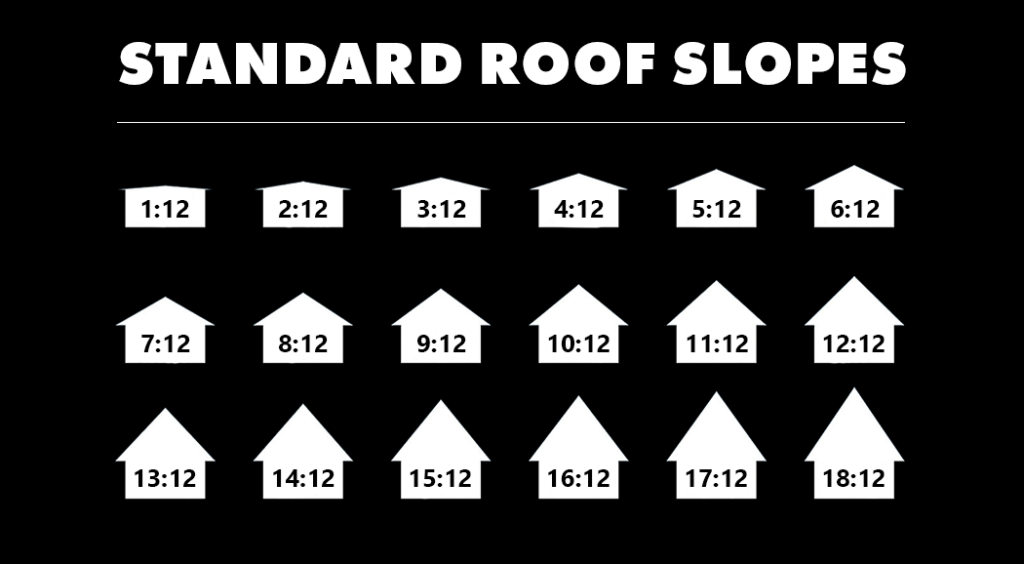
Roof pitch is a simple yet critical measurement that defines the steepness of a roof. Expressed as a ratio, such as "1/12," it indicates the vertical rise (in inches) over a 12-inch horizontal run. A 1/12 pitch means the roof gains 1 inch in height for every foot it extends horizontally. This is a very gradual slope, close to what many might perceive as flat, but it’s just enough to encourage water runoff.
Why is 1/12 often the minimum standard for metal roofing, especially when other materials like asphalt shingles typically require a minimum of 2/12 or 3/12? The answer lies in the inherent properties of metal and the design of modern metal roofing systems. Unlike granular shingles that rely on overlapping layers and gravity to shed water, metal panels form a continuous, often interlocking, barrier.
On a 1/12 pitch, while water will flow, it does so slowly. This means that the roofing system must be exceptionally watertight, preventing any capillary action (water being drawn upwards by surface tension) or pooling. Traditional through-fastened metal panels, with exposed screws and overlapping laps, are generally not recommended for such low slopes without significant sealing enhancements, due to the risk of water infiltration around fasteners and panel seams. Instead, specialized systems like standing seam metal roofs, which we will discuss, are designed specifically to excel at these minimal pitches. Their continuous panels and elevated seams create a robust, impermeable barrier against water, making the 1/12 pitch not just viable, but highly effective for shedding rain and snowmelt.
Benefits of a 1/12 Pitch Metal Roof
Opting for a 1/12 pitch metal roof brings a host of advantages, blending aesthetic appeal with superior performance:
- Modern Aesthetics: The low profile of a 1/12 pitch roof provides a clean, minimalist look that is highly sought after in contemporary architecture. It offers a sleek, uncluttered appearance that can make a building appear larger and more integrated with its surroundings.
- Exceptional Durability & Longevity: Metal roofs are renowned for their lifespan, often lasting 50 years or more. This inherent durability is not compromised by a low pitch when the correct metal system is installed. Metal resists rot, mold, mildew, pests, and fire, offering a robust shield against the elements.
- Efficient Water Shedding: While the slope is minimal, a properly designed and installed metal roof on a 1/12 pitch effectively sheds water. The smooth, non-porous surface of metal prevents water absorption, and systems like standing seam ensure that even slow-moving water is guided off the roof without penetration.
- Superior Energy Efficiency: Many metal roofing materials are available with "cool roof" coatings or natural reflective properties that bounce solar radiation away from the building. This significantly reduces heat gain, leading to lower air conditioning costs in warmer climates.
- Low Maintenance: Metal roofs generally require minimal maintenance. Their smooth surface prevents the accumulation of debris, moss, and algae that can plague other roofing materials. Occasional cleaning and inspection are typically all that’s needed.
- Excellent Wind Resistance: When properly fastened, metal roofs, especially standing seam systems, offer superior resistance to high winds, making them an excellent choice for areas prone to severe weather.
- Environmentally Friendly: Metal roofs are often made from recycled content and are 100% recyclable at the end of their long life, contributing to sustainable building practices.
Suitable Metal Roofing Systems for 1/12 Pitch
Not all metal roofing systems are created equal for low-slope applications. Choosing the right system is paramount for the long-term performance of a 1/12 pitch metal roof.
- Standing Seam Metal Roofs:
- Description: This is the gold standard for low-slope metal roofing. Standing seam panels feature vertical legs that rise above the flat portion of the panel. These legs interlock with adjacent panels, creating a raised seam. Fasteners are typically hidden beneath these seams or attached via clips, meaning no penetrations through the watertight surface of the panel.
- Why Ideal for 1/12 Pitch: The raised, continuous seams prevent water from entering the roof system, even when water moves slowly or temporarily pools. The absence of exposed fasteners eliminates common leak points. Panels can often be ordered in continuous lengths from eave to ridge, eliminating problematic end laps. Standing seam systems can be either "snap-lock" (panels simply click together) or "mechanically seamed" (panels are crimped together with a specialized tool for an even tighter seal), with mechanically seamed often preferred for pitches below 2/12.
- Through-Fastened Metal Panels (with caveats):
- Description: These panels, often corrugated or ribbed, are secured directly to the roof deck or purlins with screws that penetrate the face of the panel. The screws typically have a washer and a sealant to prevent water entry.
- Challenges at 1/12 Pitch: At a 1/12 pitch, water moves slowly, increasing the risk of pooling around exposed fasteners. Over time, the washers and sealants around these fasteners can degrade, leading to leaks. Lap seams (where panels overlap horizontally or vertically) also become critical points of potential failure.
- When Acceptable (Rarely Recommended as Primary Choice): While some manufacturers may rate specific profiles for low slopes, extensive additional sealing measures (e.g., butyl tape at all laps, enhanced fastener sealants, shorter panel runs to minimize end laps) are absolutely critical. For true longevity and peace of mind on a 1/12 pitch, standing seam remains the superior choice.
Key Considerations for Designing and Installing a 1/12 Pitch Metal Roof
The success of a 1/12 pitch metal roof hinges on meticulous design and installation. Every detail matters.
- Substrate/Decking: A solid, continuous substrate like plywood or OSB is essential for standing seam systems. This provides a uniform surface for the underlayment and adequate fastening for clips.
- Underlayment: This is arguably the most critical component after the metal panels themselves. For 1/12 pitch, a high-quality, self-adhering modified bitumen membrane (often referred to as "ice and water shield") is mandatory. It acts as a secondary waterproof barrier, protecting the structure if any moisture bypasses the metal panels. Often, two layers or a specialized low-slope underlayment system is recommended for maximum protection.
- Panel Lengths & Seaming: Minimize or eliminate end laps by ordering panels in continuous lengths from eave to ridge where possible. For standing seam, mechanically seamed panels often provide the most robust watertight seal for very low slopes.
- Fastening: For standing seam, hidden clips allow for thermal expansion and contraction of the metal panels, preventing buckling and stress. For any through-fastened system, ensure fasteners are rated for exterior use, correctly installed, and adequately sealed.
- Flashing & Penetrations: These are the most common areas for leaks on any roof, and even more so on low slopes. All flashing (e.g., at eaves, gables, valleys, walls, chimneys, vents, skylights) must be custom-fabricated and meticulously installed. Step flashing, counter flashing, and continuous headwall flashing must create a watertight seal. Proper sealing compounds compatible with the metal should be used.
- Drainage: Even with a 1/12 pitch, effective drainage is vital. Ensure gutters and downspouts are adequately sized to handle anticipated rainfall and are installed with proper slope to prevent standing water in the gutter system itself. The roof deck must be perfectly framed to maintain the 1/12 slope across its entire surface, avoiding depressions that could lead to ponding.
- Thermal Expansion & Contraction: Metal expands and contracts significantly with temperature changes. Standing seam systems with floating clips are designed to accommodate this movement, preventing stress on the panels and fasteners.
- Ventilation: Even low-slope roofs require proper attic or roof cavity ventilation to prevent condensation buildup, which can lead to mold, rot, and degradation of insulation. Ensure a balanced system of intake and exhaust vents.
Installation Best Practices
While a detailed "how-to" is beyond the scope of this article, understanding best practices is crucial:
- Professional Expertise: Given the criticality of water shedding on a 1/12 pitch, professional installation by experienced metal roofing contractors is highly recommended. DIY attempts often lead to costly leaks.
- Thorough Deck Preparation: Ensure the roof deck is clean, dry, free of protrusions, and perfectly flat to maintain the consistent 1/12 pitch.
- Meticulous Underlayment Application: Overlap seams correctly, ensure tight adhesion, and avoid wrinkles or air bubbles.
- Precise Panel Alignment: Panels must be installed straight and true, with consistent seams.
- Detailed Flashing: Every flashing component should be custom-fitted and properly integrated with the underlayment and panels to create a seamless, watertight barrier.
Potential Challenges and Solutions
Even with the best planning, challenges can arise.
- Leaks:
- Challenge: The most significant concern, often due to improper installation, inadequate flashing, or using an unsuitable metal system (e.g., through-fastened panels) for the pitch.
- Solution: Invest in a standing seam system, hire an experienced contractor, ensure meticulous flashing details, and use high-quality self-adhering underlayment.
- Ponding Water:
- Challenge: If the roof deck is not perfectly flat or sags over time, depressions can form, allowing water to pool instead of draining.
- Solution: Ensure robust structural framing, precise deck installation, and regular inspections to catch any structural issues early.
- Condensation:
- Challenge: Inadequate ventilation can trap moist air in the attic or roof cavity, leading to condensation on the underside of the metal panels.
- Solution: Implement a well-designed, balanced ventilation system (e.g., continuous soffit vents and ridge vents, or specialized low-profile roof vents).
- Cost:
- Challenge: Metal roofs, especially standing seam, have a higher upfront cost than traditional asphalt shingles.
- Solution: View it as a long-term investment. The extended lifespan, lower maintenance, and potential energy savings often offset the initial cost over the roof’s lifetime. Financing options can also make it more accessible.
Metal Roof 1/12 Pitch: Estimated Price Table
Prices for metal roofing can vary significantly based on material, gauge, finish, geographical location, labor rates, and the complexity of the roof. The table below provides a general estimate for materials and installation for systems suitable for a 1/12 pitch. These figures are for general guidance only and should be confirmed with local contractors.
| Metal Roof Type (Suitable for 1/12 Pitch) | Material Cost (per sq. ft.) | Installation Cost (per sq. ft.) | Total Estimated Cost (per sq. ft.) | Notes |
|---|---|---|---|---|
| Snap-Lock Standing Seam | $3.00 – $7.00 | $5.00 – $10.00 | $8.00 – $17.00 | Commonly Aluminum or Galvalume steel. Good for simpler roofs. Requires quality underlayment. |
| Mechanically Seamed Standing Seam | $4.00 – $9.00 | $7.00 – $13.00 | $11.00 – $22.00+ | Offers superior watertightness, highly recommended for 1/12 pitch, especially with long panels. May involve specialized equipment for seaming. Includes cost of clips and high-quality underlayment. |
| Copper Standing Seam | $15.00 – $35.00+ | $15.00 – $25.00+ | $30.00 – $60.00+ | Premium material, highly durable, develops a distinctive patina. Significantly higher cost due to material expense. |
| Zinc Standing Seam | $10.00 – $25.00+ | $10.00 – $20.00+ | $20.00 – $45.00+ | Another premium option known for extreme longevity and unique self-healing properties. |
| "Low-Slope" Through-Fastened | $2.00 – $5.00 | $4.00 – $8.00 | $6.00 – $13.00 | Caution advised for 1/12 pitch. Only consider specific profiles rated for low slope with extensive sealing (butyl tape at laps, premium fasteners). Not recommended for primary residence or long-term critical applications due to higher leak risk over time. Price includes extra sealants. |
Factors Affecting Price:
- Material: Steel (Galvalume), Aluminum, Copper, Zinc.
- Gauge: Thicker metal (lower gauge number) costs more.
- Finish/Color: Premium finishes or custom colors can add cost.
- Roof Complexity: Multiple dormers, valleys, hips, and penetrations increase labor.
- Geographical Location: Labor rates vary by region.
- Contractor Experience: Highly experienced contractors may charge more but offer better quality.
- Underlayment: High-performance self-adhering membranes add to material cost but are essential.
Frequently Asked Questions (FAQ) about Metal Roof 1/12 Pitch
Q1: Can I use asphalt shingles on a 1/12 pitch roof?
A1: No, absolutely not. Asphalt shingles typically require a minimum pitch of 2/12 or 3/12, and often even steeper, to shed water effectively. Using them on a 1/12 pitch will lead to premature failure, water infiltration, and voided warranties.
Q2: Is a 1/12 pitch metal roof prone to leaks?
A2: If properly installed with a suitable system (like standing seam) and high-quality underlayment by experienced professionals, a 1/12 pitch metal roof is exceptionally watertight and not prone to leaks. The risks arise from improper material choice or poor installation.
Q3: What is the best type of metal roof for a 1/12 pitch?
A3: Standing seam metal roofing is overwhelmingly considered the best and most reliable option for a 1/12 pitch. Its hidden fasteners and raised, interlocking seams create a superior watertight barrier.
Q4: Do I need special underlayment for a 1/12 pitch metal roof?
A4: Yes, a high-quality, self-adhering modified bitumen membrane (often called "ice and water shield") is critical and often required by manufacturers for low-slope metal roofs. It provides a crucial secondary waterproof layer.
Q5: How long does a 1/12 metal roof last?
A5: With proper installation and maintenance, a standing seam metal roof on a 1/12 pitch can last 50 years or more, often outliving the structure it protects.
Q6: Is installing a 1/12 pitch metal roof a DIY-friendly project?
A6: No, it is strongly not recommended for DIY. The precision required for low-slope metal roofing, especially with flashing details and panel seaming, demands specialized skills, tools, and experience to ensure a watertight and durable installation. Errors can lead to very costly leaks.
Q7: Will snow accumulate on a 1/12 pitch metal roof?
A7: While metal’s slick surface helps shed snow, a 1/12 pitch is very shallow. In heavy snow areas, snow may accumulate and slide off in large sheets, posing a safety hazard. Snow retention systems (snow guards) are often recommended to manage snow melt and slide, even on low slopes.
Conclusion: The Smart Choice for Low-Slope Designs
A Metal Roof 1/12 Pitch represents a harmonious blend of modern architectural aesthetics and advanced roofing technology. While the shallow slope demands meticulous attention to detail and specific material choices, the benefits are substantial: a sleek, contemporary look, unparalleled durability, superior water shedding capability with the right system, and excellent energy efficiency. For those aiming to achieve a minimalist design or requiring a robust solution for a low-slope structure, metal roofing, particularly a standing seam system, is not just a viable option but often the optimal choice.
The key to unlocking the full potential of a 1/12 pitch metal roof lies in understanding its unique requirements. This includes selecting the appropriate roofing system (predominantly standing seam), investing in high-quality underlayment, and most critically, entrusting the installation to experienced professionals who understand the nuances of low-slope metal applications. When these elements align, a Metal Roof 1/12 Pitch delivers a long-lasting, high-performance, and visually striking roofing solution that stands the test of time and the elements. It’s a testament to how modern materials and expert craftsmanship can redefine the possibilities of roof design.
For more information on Metal Roof 1/12 Pitch, visit .