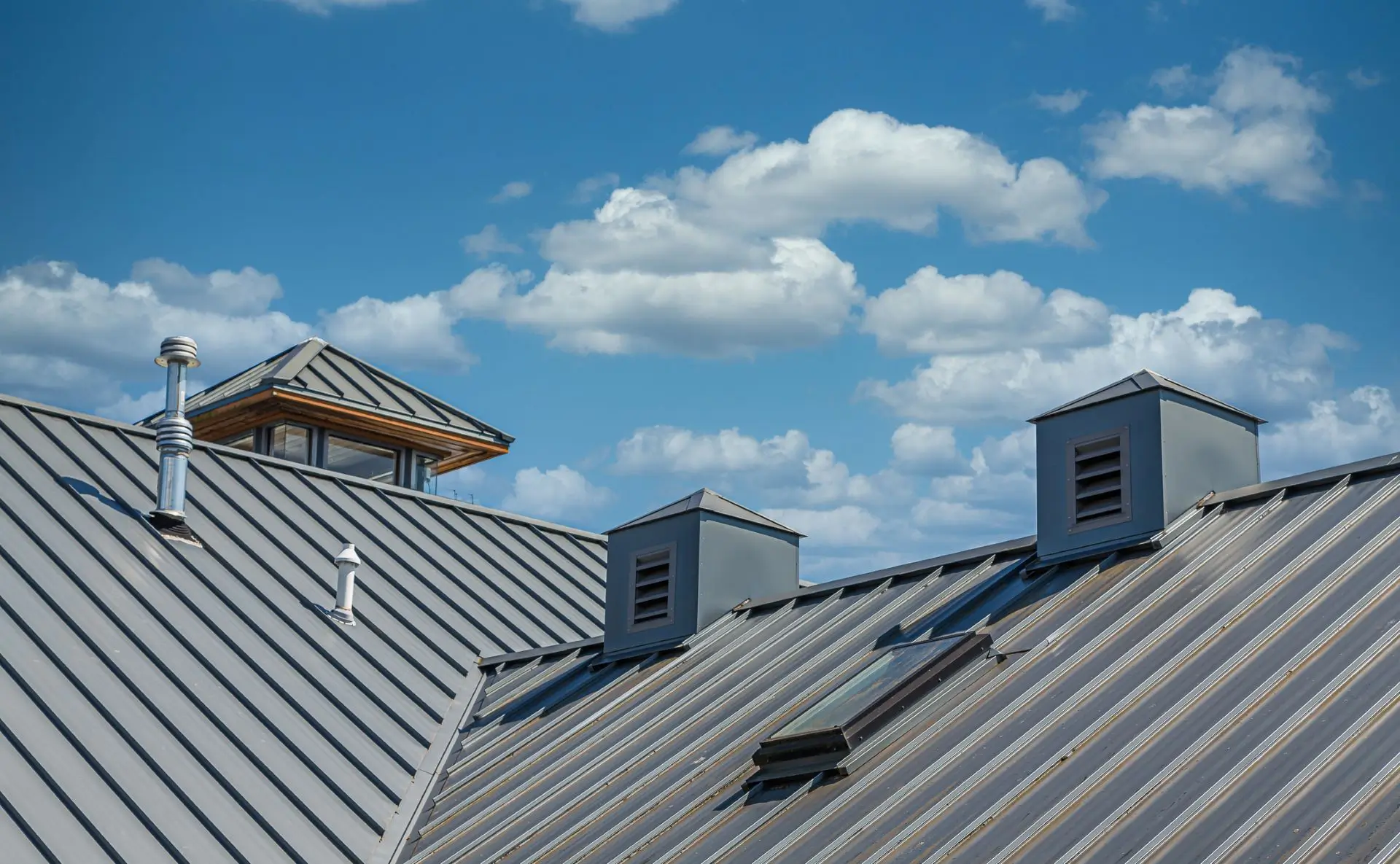
Top Benefits of Using Metal Roof Light Panels Indoors for Bright, Durable Spaces
In the evolving landscape of interior design and construction, the quest for spaces that are both aesthetically pleasing and highly functional often leads to innovative material choices. Among these, metal roof light panels, traditionally known for their role in bringing natural light into industrial or agricultural buildings, are now gaining significant traction for indoor applications. Far from being confined to just roofs, these robust, light-transmitting panels offer a compelling blend of natural illumination and exceptional durability, transforming ordinary interiors into bright, resilient, and energy-efficient environments.
This article delves into the myriad benefits of integrating metal roof light panels into indoor spaces, exploring how they contribute to enhanced well-being, reduced energy consumption, and a lasting aesthetic appeal. Whether you’re a homeowner looking to brighten a dark basement or a business owner aiming to create a more vibrant commercial space, understanding the advantages of these versatile panels can unlock new possibilities for your next project.
Understanding Metal Roof Light Panels for Indoor Use
Before diving into the benefits, it’s crucial to understand what metal roof light panels are and why their inherent properties make them ideal for indoor applications. These panels are typically made from advanced polymers such as polycarbonate, fiberglass reinforced plastic (FRP), or acrylic. They are designed to seamlessly integrate with standard metal roofing profiles, mimicking the shape and structure of corrugated or standing seam metal panels.
The key distinction for indoor use lies in their design. Engineered to withstand harsh outdoor elements – UV radiation, extreme temperatures, hail, and impact – these panels possess an inherent durability that surpasses many traditional interior translucent materials. When brought indoors, this translates to superior longevity, resistance to damage, and consistent performance. They aren’t just skylights; they are robust, often structural components that can be integrated into walls, ceilings, partitions, or even unique architectural features to harness and distribute natural light effectively.
The Radiance Revolution: Unleashing Natural Light Indoors
One of the most immediate and profound benefits of using metal roof light panels indoors is their ability to flood spaces with natural light. This isn’t just about brightness; it’s about transforming the entire atmosphere of a room.
- Energy Efficiency and Cost Savings: By maximizing daylight penetration, these panels significantly reduce the need for artificial lighting during the day. This directly translates to lower electricity bills and a smaller carbon footprint, making them a sustainable choice for environmentally conscious designs. The ability to "harvest" daylight minimizes peak energy demand, contributing to long-term operational savings.
- Improved Well-being and Productivity: Exposure to natural light is vital for human health. It helps regulate circadian rhythms, leading to better sleep, improved mood, and reduced eye strain. In residential settings, this means more comfortable and inviting living spaces. In commercial or industrial environments, natural light has been proven to boost employee morale, increase productivity, and even reduce absenteeism.
- Enhanced Aesthetic Appeal: Natural light breathes life into interiors, highlighting textures, colors, and architectural details in a way artificial light cannot. Metal roof light panels can brighten dark corners, make small spaces feel larger and more open, and create a visually appealing, airy ambiance. They can be used to create stunning focal points or subtle, diffused illumination, depending on the panel type and placement.
- Uniform Light Distribution: Unlike windows that often provide directional light, well-placed light panels can offer more diffuse and even light distribution, reducing glare and creating a softer, more comfortable environment.
Built to Last: The Durability Advantage
The "durable spaces" aspect of metal roof light panels is as significant as their lighting capabilities. Their design for exterior resilience makes them exceptionally robust for indoor applications.
- Exceptional Impact Resistance: Panels made from polycarbonate, in particular, are incredibly resistant to impact, far surpassing glass or standard acrylics. This makes them ideal for high-traffic areas, workshops, garages, or any space where accidental bumps or impacts are a possibility. They are less likely to crack or shatter, ensuring safety and reducing replacement costs.
- Longevity and UV Stability: High-quality metal roof light panels come with advanced UV protection, preventing yellowing, brittleness, and degradation over time, even with prolonged exposure to indoor sunlight. This ensures that the panels maintain their clarity and aesthetic appeal for decades, unlike cheaper plastic alternatives.
- Low Maintenance: These panels are typically easy to clean with mild soap and water, and their smooth surfaces resist the accumulation of dust and grime. They are also resistant to mold and mildew, contributing to healthier indoor air quality and requiring minimal upkeep.
- Structural Integrity: Designed to interlock with metal roofing systems, these panels often possess inherent structural strength. When used indoors, they can contribute to the overall robustness of a ceiling or wall system, providing a secure and long-lasting installation.
Versatile Applications and Design Integration
The adaptability of metal roof light panels allows for a wide range of creative and practical applications across various indoor settings.
- Residential Spaces:
- Garages & Workshops: Bring natural light to functional areas, reducing reliance on artificial lighting during the day.
- Attics & Basements: Transform often dark and underutilized spaces into bright, usable areas without the complexity of traditional windows.
- Sunrooms & Patios: Extend the outdoor feel indoors, creating bright and inviting transitional spaces.
- Interior Partitions: Create unique light-transmitting walls or room dividers that maintain privacy while allowing light flow.
- Unique Architectural Features: Use them in false ceilings, light shafts, or back-lit wall panels for a modern, industrial-chic aesthetic.
- Commercial & Industrial Settings:
- Warehouses & Factories: Significantly improve working conditions and reduce energy costs by illuminating vast interior spaces.
- Retail Stores: Enhance product visibility and create an inviting shopping experience with abundant natural light.
- Offices & Gymnasiums: Promote employee well-being and a positive atmosphere.
- Agricultural Buildings: Provide natural light for livestock or indoor growing operations, contributing to healthier environments.
Key Considerations for Indoor Installation
While the benefits are clear, careful planning ensures optimal results when installing metal roof light panels indoors.
- Material Choice:
- Polycarbonate: Excellent impact resistance, good light transmission, UV stability. Ideal for high-impact areas.
- Fiberglass Reinforced Plastic (FRP): Offers diffused light, good strength, and cost-effectiveness. Often used where soft, even light is desired.
- Acrylic: Known for clarity and good light transmission, but generally less impact-resistant than polycarbonate.
- Light Transmission vs. Diffusion: Panels come in various opacities (clear, opal, bronze, frosted). Clear panels offer maximum light and visibility, while opal or frosted panels provide diffused light, reducing glare and offering more privacy. Tinted options can manage heat gain.
- Thermal Performance: While indoors, heat transfer can still be a factor, especially if panels are near exterior walls or unconditioned spaces. Consider multi-wall panels for better insulation properties if thermal comfort is a concern.
- Installation & Framing: Proper framing and support are crucial. Ensure the panels are securely fastened and sealed to prevent dust or air infiltration. Consider the weight and structural requirements, especially for larger installations.
- Building Codes: Always check local building codes, especially for fire ratings and structural requirements, even for interior installations.
- Cleaning and Maintenance: Plan for accessibility to clean both sides of the panels, especially in ceiling applications.
Installation Tips and Best Practices
To maximize the benefits and ensure a smooth installation, consider these tips:
- Accurate Planning and Measurement: Measure your space precisely and plan the layout of your panels for optimal light distribution and aesthetic appeal.
- Adequate Framing and Support: Ensure your existing or new framing can adequately support the panels. Use appropriate fasteners recommended by the manufacturer.
- Correct Cutting Techniques: If panels need to be cut, use the manufacturer’s recommended tools and techniques to prevent cracking or damage.
- Proper Sealing: Even indoors, sealing joints and edges with appropriate weather-grade sealants can prevent dust accumulation and improve overall finish.
- Safety First: Always wear appropriate personal protective equipment (gloves, eye protection) during handling and installation.
- Consider Professional Help: For complex installations or large-scale projects, consulting with or hiring experienced professionals can ensure a safe and high-quality outcome.
Practical Advice and Actionable Insights
For anyone considering these panels, here’s some actionable advice:
- Assess Your Lighting Needs: Before selecting panels, evaluate how much natural light your space currently receives and where additional light would be most beneficial.
- Prioritize Quality: Invest in high-quality panels with UV protection from reputable manufacturers. The initial cost might be slightly higher, but the longevity and performance benefits are significant.
- Think Beyond Ceilings: Explore creative applications in walls, partitions, or even custom furniture to integrate light in unexpected ways.
- Consult Manufacturer Specifications: Always adhere to the manufacturer’s guidelines for installation, cleaning, and maintenance to ensure the warranty remains valid and the panels perform optimally.
Conclusion
The use of metal roof light panels indoors represents a smart, sustainable, and visually appealing solution for modern spaces. By intelligently harnessing natural light and offering unparalleled durability, these panels transform interiors into brighter, more inviting, and highly functional environments. From enhancing human well-being and boosting productivity to significantly reducing energy consumption and maintenance, the benefits are far-reaching. As design trends increasingly favor natural elements and sustainable practices, integrating these robust light-transmitting panels is a forward-thinking choice that promises lasting value and a radiant transformation for any indoor space.
For more information and to explore various options, you can visit .
Price Table: Estimated Costs for Metal Roof Light Panels (Indoor Use)
| Panel Type / Feature | Material Composition | Key Characteristics | Estimated Price Range (per sq. ft.) | Typical Applications (Indoor) |
|---|---|---|---|---|
| Basic FRP Panels | Fiberglass Reinforced Plastic | Diffused light, good strength, economical | $2.50 – $5.00 | Garages, workshops, utility rooms, industrial spaces, light-diffusing partitions |
| Standard Polycarbonate | Single-wall Polycarbonate | High impact resistance, good clarity, UV protected | $4.00 – $8.00 | Residential basements, attics, commercial offices, retail, high-traffic areas, interior light shafts |
| Premium Polycarbonate | Multi-wall Polycarbonate (Twin-wall, Triple-wall) | Enhanced insulation, superior impact, excellent clarity, UV protected | $7.00 – $15.00 | Sunrooms, climate-controlled workshops, high-end commercial spaces, areas requiring thermal efficiency |
| Specialized Acrylic | Cast Acrylic | Excellent optical clarity, good UV resistance, various tints | $6.00 – $12.00 | Decorative partitions, architectural features, areas where high transparency is key |
| Tinted/Opal Panels | Polycarbonate or FRP | Glare reduction, privacy, specific aesthetic effects | Add $0.50 – $2.00 (to base price) | Areas needing diffused light, privacy screens, accent lighting |
| Corrugated Profiles | Polycarbonate, FRP | Matches metal roofing profiles, strong, structural | Included in base price | General lighting, ceiling integration, industrial aesthetic |
| Flat Sheet Profiles | Polycarbonate, Acrylic | Versatile for custom cuts, smooth finish | Included in base price | Partitions, custom light boxes, unique design elements |
Disclaimer: Prices are estimates only and can vary significantly based on manufacturer, brand, thickness, specific coatings (e.g., anti-graffiti), order volume, supplier, and geographic location. Installation costs are not included and depend on complexity and labor rates.
Frequently Asked Questions (FAQ) about Metal Roof Light Panels Indoors
Q1: Are metal roof light panels safe for indoor use?
A1: Absolutely. In fact, their design for harsh outdoor conditions (impact, UV, weather) makes them exceptionally durable and safe for indoor environments. High-quality panels are designed to resist shattering and maintain structural integrity.
Q2: Will these panels yellow or become brittle over time indoors?
A2: Quality metal roof light panels, especially those made from polycarbonate or high-grade FRP, come with advanced UV protection. This coating prevents yellowing and degradation even with prolonged exposure to indoor sunlight, ensuring they maintain clarity and strength for many years. Cheaper alternatives without proper UV protection may yellow.
Q3: How do I clean and maintain these panels indoors?
A3: They are generally very low maintenance. For cleaning, use a mild soap solution and a soft cloth or sponge. Avoid abrasive cleaners or harsh chemicals that could damage the surface or UV coating. Rinse with clear water and wipe dry to prevent water spots.
Q4: Can these panels be cut to size for custom installations?
A4: Yes, most metal roof light panels can be cut to fit specific dimensions. However, it’s crucial to use the appropriate tools (e.g., fine-tooth saw blades for polycarbonate) and follow the manufacturer’s guidelines to ensure clean cuts and prevent damage to the panel.
Q5: Are there different colors or tints available besides clear?
A5: Yes, panels are available in various options, including clear, opal (white/diffused), bronze (tinted), gray, and sometimes other custom colors. Opal and tinted panels are excellent for reducing glare, diffusing light, or providing added privacy.
Q6: Do these panels offer any insulation properties?
A6: Single-layer panels offer minimal insulation. However, multi-wall polycarbonate panels (like twin-wall or triple-wall) are specifically designed with air pockets that provide significantly better thermal insulation, making them suitable for spaces where temperature control is important.
Q7: What is the typical lifespan of an indoor metal roof light panel?
A7: With proper installation and maintenance, high-quality metal roof light panels with UV protection can last 10 to 20 years or even longer. Many manufacturers offer warranties ranging from 10 to 15 years against yellowing and loss of light transmission.
