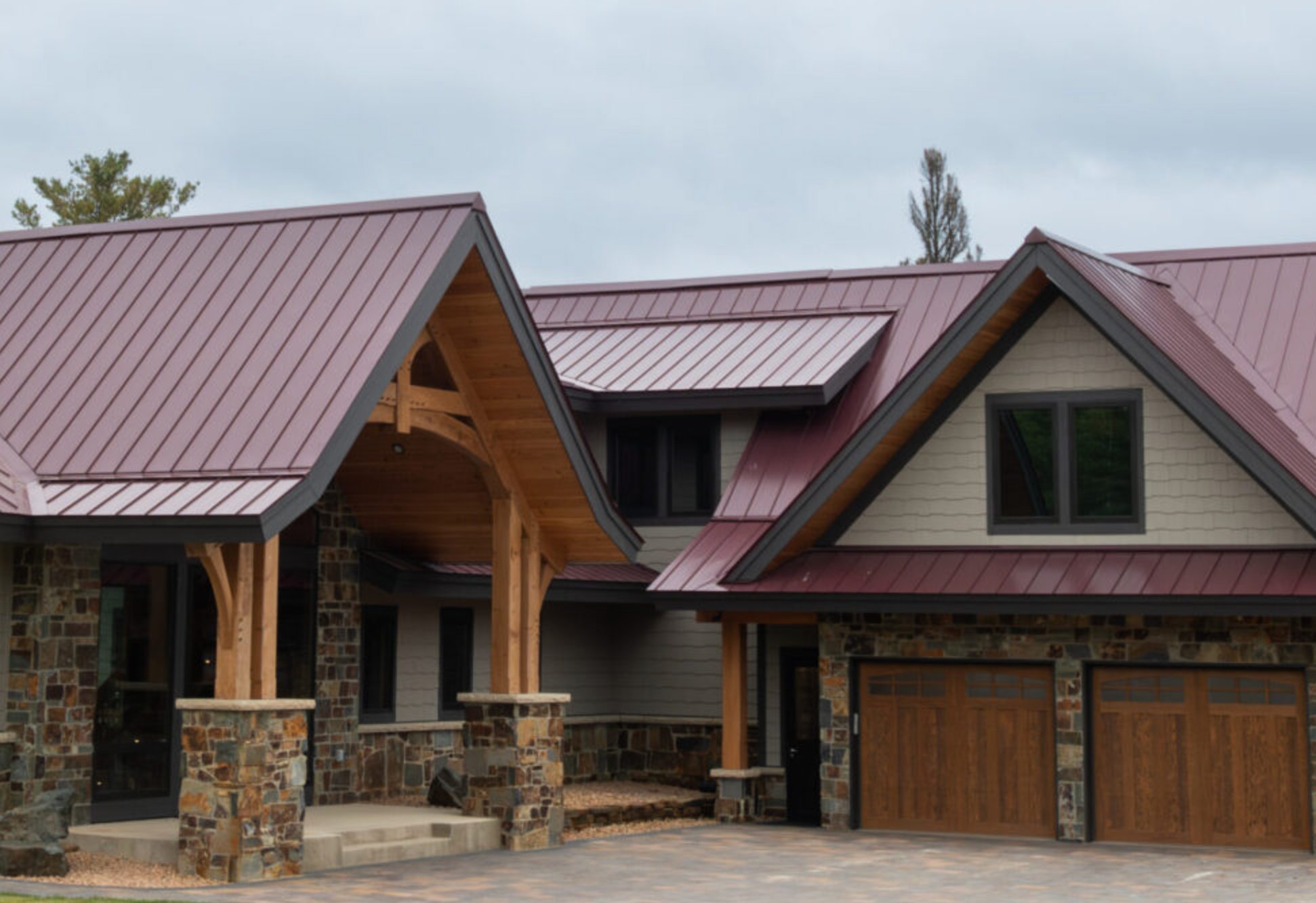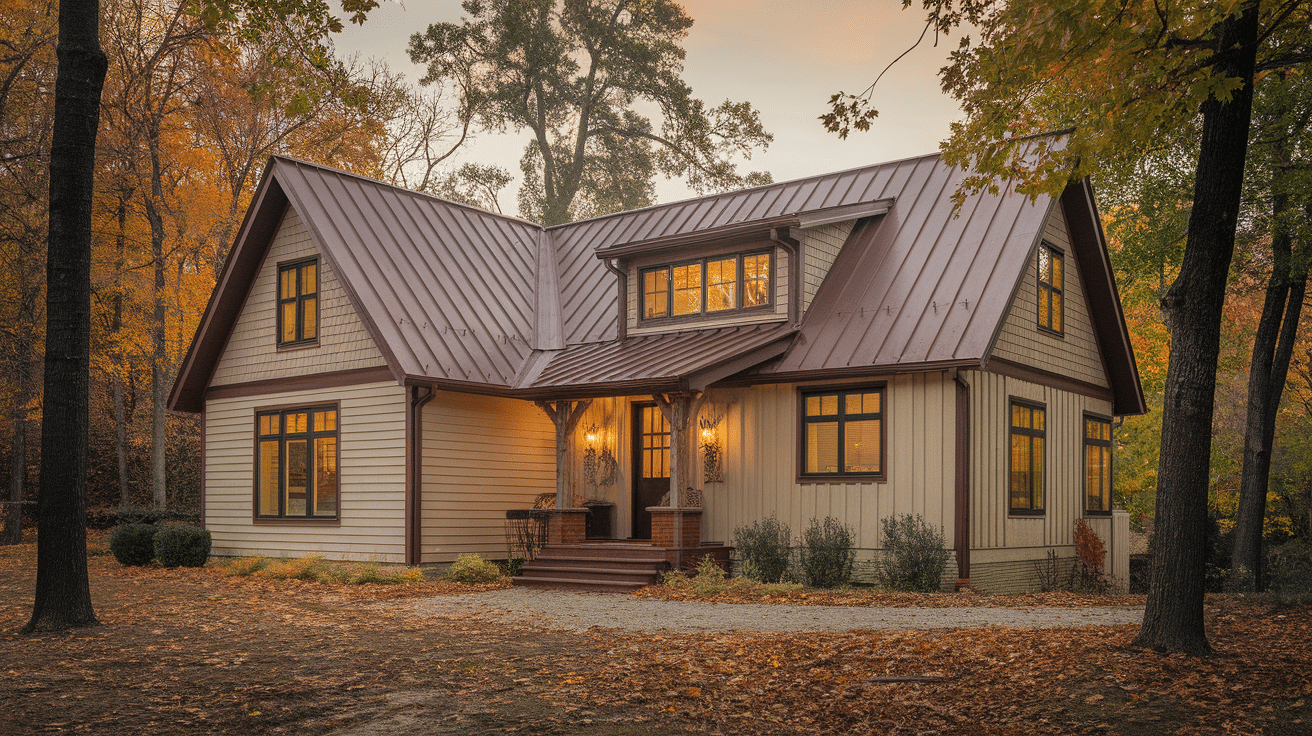
Light Stone Metal Roof Ideas to Perfectly Complement Warm Tones in Your Home
The exterior of your home is more than just a structure; it’s a statement, an inviting embrace, and often the first impression. When designing or renovating, every element plays a crucial role, and few are as impactful as your roof. For homeowners who cherish the inviting allure of warm tones in their home’s exterior—think rich terracotta, sun-baked stucco, golden brick, or creamy siding—the choice of roofing material and color is paramount. This comprehensive guide delves into the elegant world of light stone metal roof ideas, exploring how these sophisticated hues can flawlessly complement and elevate the warm palette of your home, creating a harmonious and aesthetically pleasing facade.
A "light stone metal roof" refers to a category of metal roofing materials finished in colors that mimic the natural beauty of various light-colored stones, such as sandstone, limestone, travertine, or light granite. These shades typically include muted beiges, pale grays, off-whites, soft taupes, and even some very subtle, earthy greens. When paired with warm-toned homes, these roofs offer a brilliant balance, providing visual interest, enhancing curb appeal, and delivering a host of practical benefits that modern homeowners demand.
Understanding Warm Tones in Home Exteriors
Before diving into roof selections, it’s essential to understand what constitutes "warm tones" in home exteriors. These are colors with yellow, red, or orange undertones that evoke feelings of comfort, coziness, and natural warmth. Popular examples include:
- Earth Tones: Terracotta, rust, burnt orange, deep reds, various shades of brown.
- Neutral Warm Tones: Cream, beige, sand, taupe with brown or yellow undertones.
- Golden Hues: Yellow ochre, mustard, goldenrod, often found in brick or stucco.
These colors are beloved for their ability to make a home feel inviting and grounded, often blending seamlessly with natural landscapes. However, selecting the wrong roof color can clash, making the home feel heavy, disjointed, or even dull. The goal is to create a dynamic yet unified look where the roof enhances, rather than detracts from, the home’s primary color scheme.
The Enduring Appeal of Light Stone Metal Roofs
Light stone metal roofs offer a unique blend of aesthetic versatility and practical advantages, making them an ideal choice for homes with warm exterior tones.
Aesthetic Benefits:
- Harmonious Contrast: A light stone roof provides a gentle contrast to warm walls without being stark. It prevents the home from appearing monochromatic or overly saturated, adding depth and visual interest.
- Sophistication and Elegance: These colors lend a timeless, sophisticated air to any architectural style, from Mediterranean to modern farmhouse.
- Brightening Effect: Light colors reflect more sunlight, making the entire home appear brighter and more expansive, especially beneficial in areas with heavy tree cover or northern exposures.
- Versatile Undertones: Many light stone finishes have subtle undertones (greige, creamy, faint sage) that allow them to adapt beautifully to a wide range of warm palettes.
Practical Benefits (Why Metal Roofing?):
- Durability and Longevity: Metal roofs are renowned for their exceptional lifespan, often lasting 40-70 years, significantly outperforming traditional asphalt shingles.
- Energy Efficiency: Light-colored metal roofs are "cool roofs." They reflect solar radiant heat, reducing heat gain in your home and potentially lowering air conditioning costs by 15-25%.
- Low Maintenance: Metal roofs require minimal maintenance, primarily just periodic cleaning. They resist moss, algae, and insect infestation.
- Sustainability: Made from recycled content and fully recyclable at the end of their life, metal roofs are an eco-friendly choice.
- Variety of Profiles: Available in numerous styles, including standing seam, corrugated panels, and profiles that mimic traditional shingles, tiles, or shakes, offering design flexibility.
Selecting the Perfect Light Stone Shade for Your Warm-Toned Home
Choosing the ideal light stone metal roof involves more than just picking a color you like. It requires careful consideration of your home’s existing elements, architectural style, and surrounding environment.
1. Analyze Your Home’s Existing Warm Tones
Take a close look at your home’s dominant exterior color. Is it a deep red brick with brown undertones, a creamy stucco with yellow hints, or a rich cedar siding? Identify the specific undertones present.
- Red/Orange Undertones (e.g., terracotta, red brick): These benefit from lighter, cooler stone tones like a pale gray or a muted taupe to balance the warmth and prevent an overly "hot" look. A creamy white can also provide a crisp, clean contrast.
- Yellow/Gold Undertones (e.g., golden stucco, yellow brick): These pair well with light stone colors that have a slight beige or greige tint. A true off-white or a light sandstone can also look stunning, enhancing the warmth without competing.
- Brown Undertones (e.g., dark wood siding, brown brick): These offer flexibility. Light sandstone, soft taupe, or even a pale sage with a stony feel can complement beautifully, adding an organic touch.
2. Consider Your Home’s Architectural Style
Different roof profiles and colors suit various architectural styles.
- Mediterranean/Spanish Revival: Creamy off-whites, light sandstone, or even light terracotta-mimicking metal tiles create an authentic sun-drenched look.
- Craftsman/Traditional: Muted taupes, light grays, or soft sandstone shades in a standing seam or metal shingle profile work well to maintain a classic, grounded feel.
- Modern Farmhouse/Contemporary: Light grays, crisp off-whites, or even a very pale, almost white standing seam roof provides a clean, minimalist contrast to warm siding or natural wood accents.
- Ranch/Mid-Century: Lighter, flatter profiles in muted stone colors can enhance the horizontal lines and understated elegance.
3. Evaluate Environmental Factors
- Climate: In hot climates, lighter roofs are highly recommended for their reflective properties. In colder climates, a slightly darker light stone might be chosen to absorb a tiny bit more heat, though the primary benefit of metal is still reflectivity.
- Surrounding Landscape: If your home is surrounded by lush greenery, a light stone with a subtle sage undertone can beautifully tie into the natural environment. If there’s a lot of natural rock or gravel, mimic those tones.
- Sun Exposure: Observe how different colors appear under varying light conditions throughout the day. A color that looks perfect at noon might seem washed out or too dark at sunset.
Popular Light Stone Metal Roof Colors for Warm Tones:
- Sandstone Beige: A classic choice, offering a soft, earthy warmth that harmonizes beautifully with brick, stucco, and wood. It’s light enough to be energy-efficient but warm enough to prevent starkness.
- Light Gray/Pewter: Provides a sophisticated, modern contrast. The cool undertones of light gray can effectively balance very warm exteriors, creating a crisp, contemporary feel. Look for grays with a hint of brown (greige) for a softer transition.
- Off-White/Cream: For a truly bright and clean aesthetic, especially with Mediterranean or coastal warm-toned homes. It offers maximum reflectivity and a bold, fresh look.
- Muted Taupe: A versatile color that bridges the gap between gray and brown. Taupe with a slight warmth complements a wide range of warm tones, offering a refined, understated elegance.
- Pale Sage Green (with stony texture): While technically green, a very light, desaturated sage with a natural stone-like texture can be incredibly effective with warm earth tones, bringing an organic, serene quality to the roof.
- Champagne/Gold-tinted Off-White: These subtle hues incorporate a hint of warmth into the roof itself, creating a luxurious and cohesive look with golden or creamy exterior palettes.
Practical Application: A Step-by-Step Guide to Choosing
- Gather Samples: Request physical samples of your preferred light stone metal roof colors from manufacturers or contractors. Digital images are helpful but cannot replace real-world samples.
- Observe in Situ: Place the samples directly against your home’s exterior siding, brick, or stucco. Observe them at different times of day—morning, noon, and late afternoon—and under varying weather conditions (sunny, cloudy). Light dramatically changes how colors appear.
- Consider the "Fifth Wall": Remember that a roof is often called the "fifth wall." Step back to view your home from a distance, and if possible, get an aerial perspective (e.g., from a neighbor’s second story or a drone photo) to see how the roof integrates with the entire property.
- Utilize Visualization Tools: Many metal roofing manufacturers offer online visualization tools where you can upload a photo of your home and virtually apply different roof colors and profiles. While not perfect, they offer a good preliminary idea.
- Consult Professionals: Don’t hesitate to seek advice from architects, exterior designers, or experienced roofing contractors. They often have an eye for color coordination and can provide valuable insights based on their expertise.
Potential Challenges and Solutions
- Too Much Contrast: If a very light roof makes your warm-toned home feel stark or disconnected, opt for a light stone shade with warmer undertones (e.g., sandstone beige over a cool gray) or introduce a third, complementary color in your trim, gutters, or front door to bridge the gap.
- HOA Restrictions: Many homeowners’ associations have strict rules regarding exterior colors. Check your HOA guidelines early in the process to ensure your chosen light stone metal roof color is compliant.
- Budget Concerns: While metal roofs are an investment, prices vary widely by material (steel, aluminum, zinc), profile (corrugated, standing seam, shingle), and finish. Explore different options to find one that fits your budget without compromising too much on aesthetics or quality. Galvanized steel often offers a more economical entry point than aluminum or specialty metals.
- Matching vs. Complementing: The goal isn’t to perfectly match your roof color to your home’s exterior but to complement it. Aim for harmony and balance rather than exact replication.
Concluding Summary
Choosing a light stone metal roof for your warm-toned home is a decision that marries timeless aesthetics with cutting-edge functionality. From enhancing curb appeal and delivering superior energy efficiency to offering unparalleled durability and longevity, a well-chosen light stone metal roof elevates your home in every sense. By carefully considering your home’s existing palette, architectural style, and environmental context, and by utilizing practical selection methods, you can achieve a harmonious and breathtaking exterior that you’ll cherish for decades to come. Embrace the subtle elegance of light stone to perfectly complement and amplify the inviting warmth of your home.
For more detailed information on metal roofing options and color selections, consider exploring reputable manufacturers and suppliers, such as Metal Roofing Alliance for general resources and contractor directories.
Light Stone Metal Roof Ideas: Estimated Price Guide
The cost of a metal roof can vary significantly based on material, profile, finish, roof complexity, location, and installation labor. The table below provides a general estimated price range per square foot (installed) for common metal roof types in light stone finishes. Always obtain multiple detailed quotes from qualified local contractors for accurate pricing.
| Metal Roof Type (Light Stone Finish) | Typical Price Range (Installed per sq. ft.) | Key Characteristics & Notes |
|---|---|---|
| Galvanized Steel (Corrugated/R-Panel) | $4.00 – $8.00 | Most economical. Industrial aesthetic often favored for modern farmhouses or commercial looks. Light stone colors typically painted. Good for simple rooflines. |
| Galvanized Steel (Shingle/Tile Panel) | $7.00 – $12.00 | Designed to mimic traditional shingles or tiles. Often features textured finishes that enhance the "stone" look. Offers a more residential aesthetic than corrugated. |
| Aluminum (Standing Seam) | $10.00 – $18.00 | Premium option. Excellent corrosion resistance, ideal for coastal areas. Sleek, modern look. Concealed fasteners for a clean finish. High-quality light stone paints are durable. |
| Aluminum (Shingle/Tile Panel) | $9.00 – $16.00 | Similar to steel panels but lighter and superior for corrosion resistance. Often chosen for complex roofs where weight is a concern. Wide range of light stone textures and colors. |
| Zinc (Standing Seam) | $20.00 – $35.00+ | Very high-end, extremely durable with a self-healing patina. Starts as a muted silver-gray and develops a unique, soft bluish-gray patina over time, resembling natural light stone. Longevity is exceptional. |
| Copper (Standing Seam) | $25.00 – $45.00+ | Luxurious and distinctive. Initially bright, copper develops a beautiful verdigris patina (a light greenish-blue) over decades, which can complement certain warm tones in a unique, organic way. Highest upfront cost, but unmatched aesthetics and lifespan. |
Note: These prices are estimates for typical residential installations. Factors like roof pitch, complexity (number of valleys, dormers, skylights), geographic location, and specific manufacturer/finish can significantly impact the final cost. Always consult with local, certified roofing contractors for accurate quotes tailored to your specific project.
Frequently Asked Questions (FAQ)
Q1: What are the best light stone colors for homes with red brick or terracotta?
A1: For red brick or terracotta, light stone colors with cooler undertones work best to create balance. Pale grays, muted taupes (with a hint of gray), or even crisp off-whites provide a beautiful contrast without clashing. Sandstone beige can also work if it leans more toward a neutral beige than a yellow-beige.
Q2: Is a light metal roof truly more energy-efficient?
A2: Yes, absolutely. Light-colored metal roofs are designated as "cool roofs" because they reflect a significant portion of the sun’s radiant heat away from the building. This reduces heat gain in your attic and living spaces, leading to lower air conditioning costs, especially in warmer climates.
Q3: How long do metal roofs typically last?
A3: Metal roofs are renowned for their longevity. Depending on the material, finish, and proper installation, they can last anywhere from 40 to 70 years or even longer, often outliving the lifespan of the home itself. This makes them a wise long-term investment.
Q4: Are metal roofs noisy when it rains or hails?
A4: This is a common misconception. When properly installed over a solid substrate (like plywood decking and insulation), a metal roof is typically no noisier than an asphalt shingle roof during rain or hail. The sound is largely absorbed by the decking and attic insulation.
Q5: Can I install a metal roof over an existing asphalt shingle roof?
A5: In some cases, yes. It depends on local building codes, the condition of your existing roof, and the type of metal roof you’re installing. Many metal roofing systems can be installed over one layer of existing shingles, potentially saving on tear-off costs. However, it’s crucial to consult with a qualified roofing contractor to assess feasibility and ensure compliance.
Q6: What kind of maintenance does a light stone metal roof require?
A6: Metal roofs are very low maintenance. Generally, annual or bi-annual inspections to clear debris, check fasteners, and ensure gutters are clean are sufficient. The high-quality finishes used on modern metal roofs are designed to resist fading, chalking, and corrosion for decades.
Q7: Will a light roof make my house look stark or washed out?
A7: Not if chosen carefully. The key is to select a light stone color that has subtle undertones that complement your home’s warm tones rather than clashing. For instance, a light sandstone beige will look less stark than a pure white against a terracotta home. Using samples and observing them in natural light will help you avoid a stark look, ensuring harmony and elegance.