A Metal Roof: The Ultimate Guide to Modern Roofing Solutions
In the evolving landscape of home construction and renovation, the choice of roofing material stands as a critical decision, impacting everything from a home’s aesthetic appeal to its long-term structural integrity and energy efficiency. Among the myriad options available, a metal roof has emerged as a frontrunner, increasingly recognized for its unparalleled durability, diverse design capabilities, and sustainable attributes. Far from the corrugated barn roofs of yesteryear, today’s metal roofing systems are sophisticated, high-performance solutions designed to protect and enhance residential and commercial properties alike. This comprehensive guide will delve into every facet of a metal roof, exploring its benefits, types, installation considerations, maintenance, and addressing common queries, making it an invaluable resource for anyone considering this robust roofing option. For more in-depth information on this versatile material, you can explore resources dedicated to A Metal Roof.
Understanding the Anatomy and Appeal of A Metal Roof
At its core, a metal roof is a roofing system made from metal pieces or tiles, characterized by its strength and longevity. These systems are engineered to withstand extreme weather conditions, resist degradation, and offer significant advantages over traditional roofing materials. The appeal of a metal roof stems from a combination of practical benefits and aesthetic versatility, making it a smart investment for the discerning homeowner.
Key Materials and Components
A metal roof system is composed of several critical elements, each contributing to its overall performance:
- Panels/Tiles: The primary roofing material, typically formed into long panels (e.g., standing seam, corrugated) or individual tiles designed to mimic traditional shingles or shakes.
- Substrate Metals: The base material, most commonly steel (galvanized or Galvalume®), aluminum, copper, or zinc. Each offers distinct properties regarding weight, corrosion resistance, and cost.
- Coatings: Applied to the metal substrate for color, UV protection, and enhanced corrosion resistance. Kynar 500® (PVDF) is a popular high-performance coating.
- Underlayment: A protective layer installed between the roof deck and the metal panels, providing an additional moisture barrier and often sound dampening.
- Fasteners: Used to secure the panels to the roof deck. These can be exposed (visible) or concealed (hidden beneath seams).
- Flashing and Trim: Essential components used around edges, valleys, chimneys, and vents to prevent water penetration and provide a finished look.
The Unmatched Benefits of A Metal Roof
The growing popularity of a metal roof isn’t accidental; it’s a direct result of the numerous advantages it offers:
1. Exceptional Longevity and Durability
One of the most compelling reasons to choose a metal roof is its incredible lifespan. While asphalt shingles typically last 15-30 years, a metal roof can easily last 40-70 years, often outliving the home’s original owners. They are highly resistant to fire, rot, mildew, insects, and extreme weather events like high winds and hail.
2. Superior Energy Efficiency
Many metal roofs feature highly reflective coatings that reduce solar heat gain, especially in lighter colors. This can significantly lower cooling costs in warmer climates, contributing to a more comfortable indoor environment and reducing the load on HVAC systems. Some metal roofs are also ENERGY STAR® certified.
3. Sustainability and Environmental Friendliness
A metal roof is a champion of green building practices. It’s often made from a high percentage of recycled content (up to 95% for aluminum and steel) and is 100% recyclable at the end of its long life, preventing waste in landfills. Its longevity also means fewer replacement materials are consumed over time.
4. Diverse Aesthetic Appeal
Gone are the days when metal roofs were limited to utilitarian applications. Modern manufacturing techniques allow for an astonishing array of styles, colors, and finishes. A metal roof can mimic the look of traditional asphalt shingles, cedar shakes, slate tiles, or clay tiles, or provide a sleek, contemporary aesthetic with standing seam panels.
5. Low Maintenance Requirements
Once installed, a metal roof requires minimal maintenance. It doesn’t absorb water like some materials, preventing mold and moss growth. Routine inspections and clearing of debris from gutters are usually all that’s needed to keep it performing optimally.
6. Increased Home Value
The long lifespan, durability, and energy efficiency of a metal roof make it an attractive feature for potential homebuyers, often resulting in a higher resale value for the property.
Types and Styles of A Metal Roof
The versatility of a metal roof is evident in the variety of types and styles available:
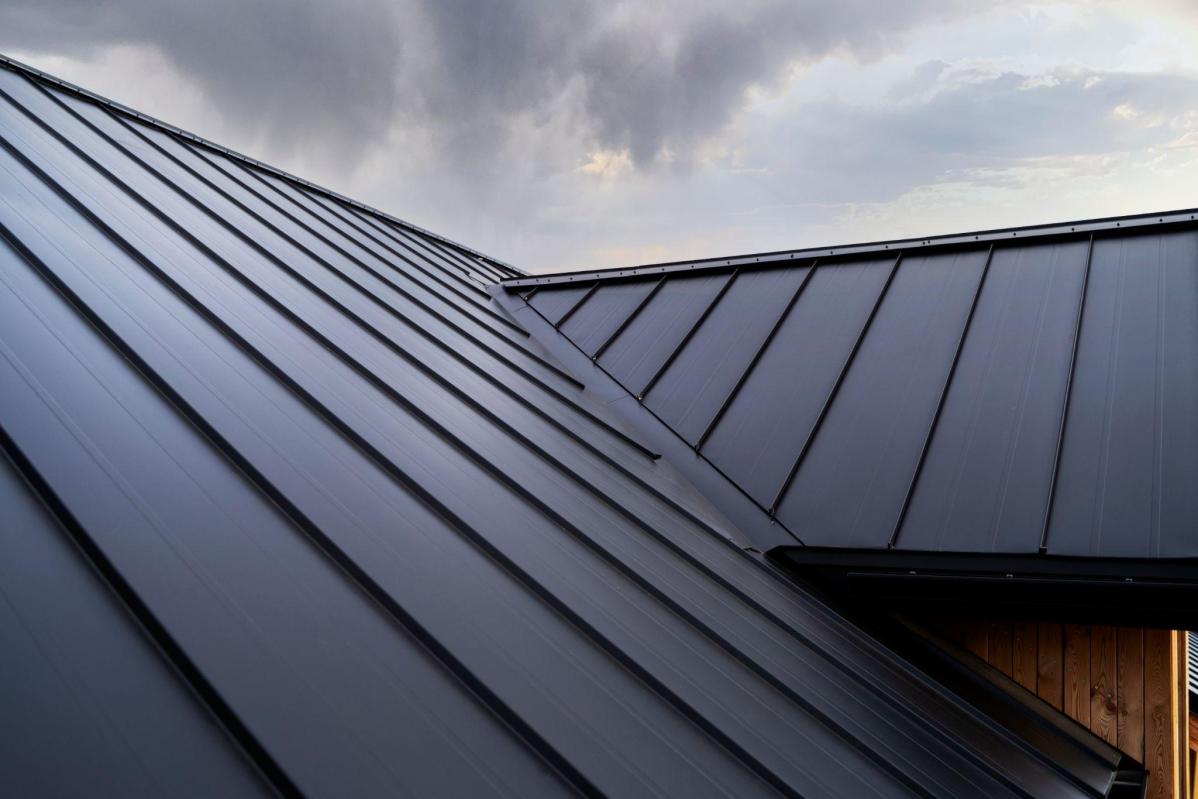
- Standing Seam Metal Roof: Characterized by raised interlocking seams that run vertically up the roof. These systems are highly durable, offer excellent weather resistance due to hidden fasteners, and provide a clean, modern aesthetic. They are often considered a premium option.
- Corrugated Metal Roof: Features a wavy, ribbed profile. Historically used for agricultural and industrial buildings, modern corrugated panels are gaining popularity in residential settings for their distinctive look and cost-effectiveness. Fasteners are typically exposed.
- Metal Shingles, Shakes, and Tiles: Designed to replicate the appearance of traditional roofing materials like asphalt shingles, wood shakes, slate, or clay tiles. These offer the aesthetic appeal of conventional roofs with the superior performance of metal.
- Stone-Coated Steel Roof: Steel panels coated with acrylic and ceramic-coated stone granules. This type combines the strength of steel with the aesthetic of traditional materials, offering excellent impact resistance and sound dampening.
- Exposed Fastener Panels: Similar to corrugated, these panels have visible fasteners securing them to the roof deck. They are generally more economical and easier to install, commonly used on commercial buildings, carports, and sheds, but also on some residential roofs.
Important Considerations Before Installing A Metal Roof
While the benefits are clear, making an informed decision about a metal roof requires considering several factors:
1. Upfront Cost
A metal roof typically has a higher upfront cost than asphalt shingles. However, when factoring in its significantly longer lifespan and lower maintenance, its "lifecycle cost" often proves to be lower over several decades.
2. Noise
Some homeowners express concerns about noise during heavy rain or hail. Modern metal roofs, when properly installed with adequate underlayment and insulation, can effectively mitigate this, making them no noisier than other roofing types.
3. Professional Installation
Proper installation is paramount for a metal roof’s performance and longevity. It’s a specialized skill, and hiring an experienced, reputable contractor is crucial. Poor installation can lead to leaks, premature wear, and voided warranties.
4. Local Building Codes and HOAs
Always check local building codes and any Homeowners Association (HOA) regulations regarding roofing materials, colors, and styles before making a decision.
5. Potential for Dents and Scratches
While highly durable, metal roofs can be susceptible to dents from falling branches or heavy hail (though many are hail-rated). Scratches can also occur, but modern coatings are very resilient, and touch-up paints are available to prevent corrosion.
Installation and Maintenance Guide for A Metal Roof
Installation Overview
The installation process for a metal roof involves several key steps:
- Preparation: The existing roof may need to be removed, or in some cases, a metal roof can be installed over an existing asphalt shingle roof, provided the structure can support the added weight and local codes allow it.
- Underlayment: A high-quality underlayment (e.g., synthetic felt or self-adhering membrane) is installed to provide an additional layer of protection against moisture.
- Flashing: Critical for preventing leaks, flashing is meticulously installed around chimneys, vents, skylights, and in valleys.
- Panel/Tile Installation: The metal panels or tiles are then secured to the roof deck according to the manufacturer’s specifications, ensuring proper alignment and watertight seals.
- Trim and Accessories: Finally, ridge caps, gable trim, and other accessories are installed to complete the roof’s aesthetic and weatherproofing.
Maintenance Tips
A metal roof is low maintenance, but a few simple practices can ensure its longevity:
- Regular Inspections: Periodically inspect your roof for any signs of loose fasteners, damaged sealant, or accumulated debris.
- Keep it Clean: Remove leaves, branches, and other debris that can accumulate and trap moisture, especially in valleys and gutters.
- Gutter Cleaning: Ensure gutters are clear to allow for proper drainage and prevent water backup.
- Address Scratches Promptly: If you notice any deep scratches, use manufacturer-approved touch-up paint to prevent rust or corrosion.
- Avoid Harsh Chemicals: When cleaning, use mild soap and water. Avoid abrasive cleaners or pressure washers that could damage the coating.
Addressing Challenges with A Metal Roof
While generally robust, understanding potential challenges and their solutions is helpful:
- Oil Canning: This refers to the visual distortion or waviness in flat metal panels. It’s usually a cosmetic issue caused by manufacturing tolerances or thermal expansion/contraction. It can be minimized by proper panel design, material selection, and careful installation techniques (e.g., floating clips).
- Thermal Movement: Metal expands and contracts with temperature changes. A well-designed metal roof system incorporates specific fastener types (e.g., clips that allow for movement) and installation techniques to accommodate this, preventing buckling or stress on the panels.
- Lightning: A common misconception is that metal roofs attract lightning. In reality, a metal roof is no more likely to be struck by lightning than any other roofing material. If struck, metal roofs are non-combustible and can dissipate the electrical charge safely, making them one of the safest options.
Practical Advice and Actionable Insights
For anyone considering a metal roof, here are some actionable tips:
- Get Multiple Quotes: Contact at least three reputable roofing contractors specializing in metal roofs.
- Check References and Portfolios: Ask for references and view examples of their previous metal roof installations.
- Understand Warranties: Thoroughly review both the material warranty (from the manufacturer) and the labor warranty (from the installer).
- Consider Energy Star Ratings: Choose ENERGY STAR certified products for maximum energy savings.
- Don’t DIY Unless Experienced: Metal roof installation is complex and best left to professionals to ensure proper sealing and longevity.
A Metal Roof: Estimated Price Table
The cost of a metal roof can vary widely based on material, style, location, roof complexity, and contractor. The following table provides a general estimate per square foot (100 sq ft = 1 square). These figures include both material and installation, but are estimates only.
| Metal Roof Type | Material Cost (per sq ft) | Installation Cost (per sq ft) | Total Estimated Cost (per sq ft) | Key Features & Considerations |
|---|---|---|---|---|
| Corrugated Steel | $2.00 – $4.00 | $3.00 – $6.00 | $5.00 – $10.00 | Economical, industrial look, visible fasteners. Best for sheds/garages. |
| Exposed Fastener Panels | $3.00 – $5.00 | $4.00 – $7.00 | $7.00 – $12.00 | Versatile, good for commercial/agricultural, visible fasteners. |
| Standing Seam Steel | $5.00 – $10.00 | $8.00 – $15.00 | $13.00 – $25.00 | Premium, sleek, modern, hidden fasteners, excellent weather resistance. |
| Metal Shingles/Tiles | $6.00 – $12.00 | $7.00 – $14.00 | $13.00 – $26.00 | Mimics traditional roofs (asphalt, wood, slate), good aesthetics. |
| Stone-Coated Steel | $7.00 – $15.00 | $8.00 – $16.00 | $15.00 – $31.00 | Durable, mimics shingles/tiles, excellent impact resistance, sound dampening. |
| Aluminum | $7.00 – $14.00 | $8.00 – $16.00 | $15.00 – $30.00 | Lightweight, rust-proof, ideal for coastal areas, good for re-roofing. |
| Copper | $15.00 – $30.00 | $15.00 – $30.00 | $30.00 – $60.00+ | Premium, develops distinctive patina, extremely long-lasting (100+ years). |
| Zinc | $12.00 – $25.00 | $12.00 – $25.00 | $24.00 – $50.00+ | Self-healing patina, exceptionally durable, unique aesthetic, high initial cost. |
Note: These prices are estimates and can vary significantly based on your geographic location, the complexity of your roofline, specific material brands, and the contractor’s rates. It is crucial to obtain multiple detailed quotes from local professionals for an accurate cost assessment.
Frequently Asked Questions (FAQ) About A Metal Roof
Q1: Is a metal roof noisy during rain or hail?
A1: While an uninsulated metal roof can be louder, modern installations typically include solid decking, quality underlayment, and insulation that significantly dampen sound, making them comparable to other roofing materials.
Q2: Can I walk on a metal roof?
A2: Yes, most metal roofs can be walked on, but caution is advised. Always step on the flat portions of panels or near structural supports to avoid damaging the metal or its coating. Consult your installer or manufacturer for specific recommendations.
Q3: How long does a metal roof last?
A3: A metal roof is renowned for its longevity, typically lasting 40 to 70 years, and sometimes even longer for materials like copper and zinc. This is significantly longer than traditional asphalt shingles.
Q4: Are metal roofs expensive?
A4: The upfront cost of a metal roof is generally higher than asphalt shingles. However, its extended lifespan, energy efficiency, and low maintenance often result in a lower "lifecycle cost" over the roof’s lifetime, making it a cost-effective investment in the long run.
Q5: Are metal roofs energy efficient?
A5: Absolutely. Many metal roofs feature highly reflective coatings that reduce solar heat gain, especially in lighter colors. This can lead to substantial savings on air conditioning costs, particularly in hot climates.
Q6: Can a metal roof be installed over an existing roof?
A6: In many cases, yes, a metal roof can be installed over one layer of existing asphalt shingles, provided the roof deck is structurally sound, and local building codes allow it. This can save on tear-off and disposal costs.
Q7: Do metal roofs attract lightning?
A7: No, this is a common myth. A metal roof does not attract lightning any more than other roofing materials. In fact, if lightning does strike, a metal roof is non-combustible and can safely dissipate the electrical charge over its surface.
Conclusion: A Smart Investment in the Future
The decision to install a metal roof is a significant one, representing an investment in the long-term durability, efficiency, and aesthetic appeal of your property. From its exceptional longevity and robust protection against the elements to its energy-saving capabilities and environmental benefits, a metal roof offers a compelling package of advantages. While the initial outlay might be higher than some conventional options, the lifecycle cost often proves more economical, making it a wise and sustainable choice for discerning homeowners and builders alike. With diverse styles and materials available, a metal roof can complement any architectural design, ensuring that your home not only stands out but also stands strong for generations to come.