Top Light Metal Roof Options to Maximize Energy Savings and Cut Costs
In an era defined by rising energy prices and increasing environmental consciousness, homeowners and businesses are constantly seeking innovative solutions to enhance sustainability and reduce operational costs. Among the myriad of choices for building materials, light metal roofs have emerged as a standout option, offering a compelling blend of durability, aesthetic versatility, and, most notably, exceptional energy efficiency. Investing in a top light metal roof option is not merely an upgrade; it’s a strategic move towards a more sustainable and economically sound future for any property.
This comprehensive guide delves into the world of light metal roofing, exploring how these advanced systems leverage cutting-edge technology and material science to dramatically lower energy consumption and provide substantial long-term cost savings. We will uncover the various material types, the science behind their energy-saving capabilities, crucial factors to consider during selection and installation, and practical advice to ensure you maximize every benefit.
Understanding the Energy-Saving Power of Metal Roofs
The ability of light metal roofs to slash energy bills stems from their inherent properties and the advanced coatings applied to them. Unlike traditional dark asphalt shingles that absorb and trap solar radiation, turning your attic into an oven, metal roofs actively work to mitigate heat gain.
1. Reflectivity and Emissivity:
The primary mechanism is solar reflectivity, which measures how much solar energy is reflected away from the roof surface. Light-colored metal roofs, especially those with specialized "cool roof" coatings, can reflect up to 85% of solar radiation. This dramatically reduces the amount of heat absorbed by the building, keeping interior temperatures cooler.
Emissivity is another critical factor, referring to a material’s ability to release absorbed heat. Metal roofs boast high emissivity, meaning any heat they do absorb is quickly re-radiated back into the atmosphere rather than transferring into the building’s interior. The combination of high reflectivity and high emissivity results in a significantly lower roof surface temperature, directly translating to less work for your air conditioning system.
2. Cool Roof Technology and SRI:
Many modern metal roofs incorporate cool roof technology, which uses special pigments that are highly reflective in the invisible (near-infrared) spectrum, allowing even darker colors to achieve significant reflectivity. The effectiveness of a cool roof is quantified by its Solar Reflectance Index (SRI), a value that combines both solar reflectance and thermal emissivity. A higher SRI indicates a cooler roof. Learn more about ENERGY STAR® certified products here.
3. Thermal Break and Ventilation:
Proper installation of a metal roof often includes a thermal break or air gap between the metal panels and the roof deck. This gap allows air to circulate, further preventing heat transfer into the attic space. Combining this with adequate attic ventilation (soffit and ridge vents) creates a powerful system that continuously expels trapped hot air, maintaining a cooler and more stable indoor environment.
Key Benefits Beyond Energy Savings
While energy savings are a primary driver, light metal roofs offer a host of other advantages that contribute to their long-term cost-effectiveness and appeal:
- Exceptional Longevity and Durability: Metal roofs are renowned for their incredible lifespan, often lasting 40 to 70 years, and some even exceeding 100 years, far outstripping traditional asphalt shingles (15-30 years). They are highly resistant to cracking, shrinking, and eroding.
- Low Maintenance: Once installed, metal roofs require minimal maintenance. They don’t typically grow moss or algae, and their smooth, hard surface resists debris buildup.
- Superior Fire Resistance: Metal is non-combustible, earning metal roofs a Class A fire rating, the highest possible. This offers enhanced safety and can even lead to reduced home insurance premiums.
- High Wind Resistance: Properly installed metal roofs can withstand extremely high winds (up to 140 mph or more), making them an excellent choice for areas prone to severe weather.
- Eco-Friendly and Recyclable: Metal roofs are often made from a significant percentage of recycled content and are 100% recyclable at the end of their long life, minimizing landfill waste.
- Increased Home Value: The durability, energy efficiency, and modern aesthetics of a metal roof can significantly increase a property’s resale value.
Top Light Metal Roof Material Options
The term "light metal roof" encompasses several materials, each with its unique characteristics, aesthetics, and price points.
1. Aluminum Roofing:
- Characteristics: Extremely lightweight, highly resistant to corrosion (making it ideal for coastal environments), and excellent at reflecting solar radiation. Aluminum is very malleable, allowing for diverse panel profiles and custom designs.
- Energy Savings: Naturally reflective, especially in lighter colors. Can be coated for even higher SRI values.
- Cost & Longevity: Typically on the higher end of the steel spectrum, but generally less than copper or zinc. Lasts 50-75 years.
- Considerations: Softer than steel, potentially more prone to denting from heavy impacts (e.g., large hail), though thicker gauges mitigate this.
2. Steel Roofing (Galvanized, Galvalume, Zincalume):
Steel is the most common and versatile metal roofing material, treated and coated for enhanced performance.
- Galvanized Steel: Steel coated with zinc for corrosion resistance.
- Galvalume Steel: Steel coated with a blend of aluminum and zinc, offering superior corrosion resistance and reflectivity compared to galvanized steel.
-
Zincalume Steel: Similar to Galvalume, a proprietary blend.
- Energy Savings: Steel roofs are highly amenable to cool roof coatings and come in a vast array of colors, including those with high SRI values.
- Cost & Longevity: Generally the most cost-effective metal roofing option, with a lifespan of 40-70 years.
- Considerations: Can be heavier than aluminum. Punctures or scratches in the coating can expose the steel to rust, though modern coatings are very durable.
Popular Steel Roof Profiles:
- Standing Seam: Characterized by vertical panels with raised seams that interlock, concealing fasteners. Offers a sleek, modern look and superior weatherproofing. Excellent for energy efficiency due to minimal thermal bridging.
- Corrugated/Ribbed Panels: Traditional, economical, and durable. More visible fasteners but still highly effective.
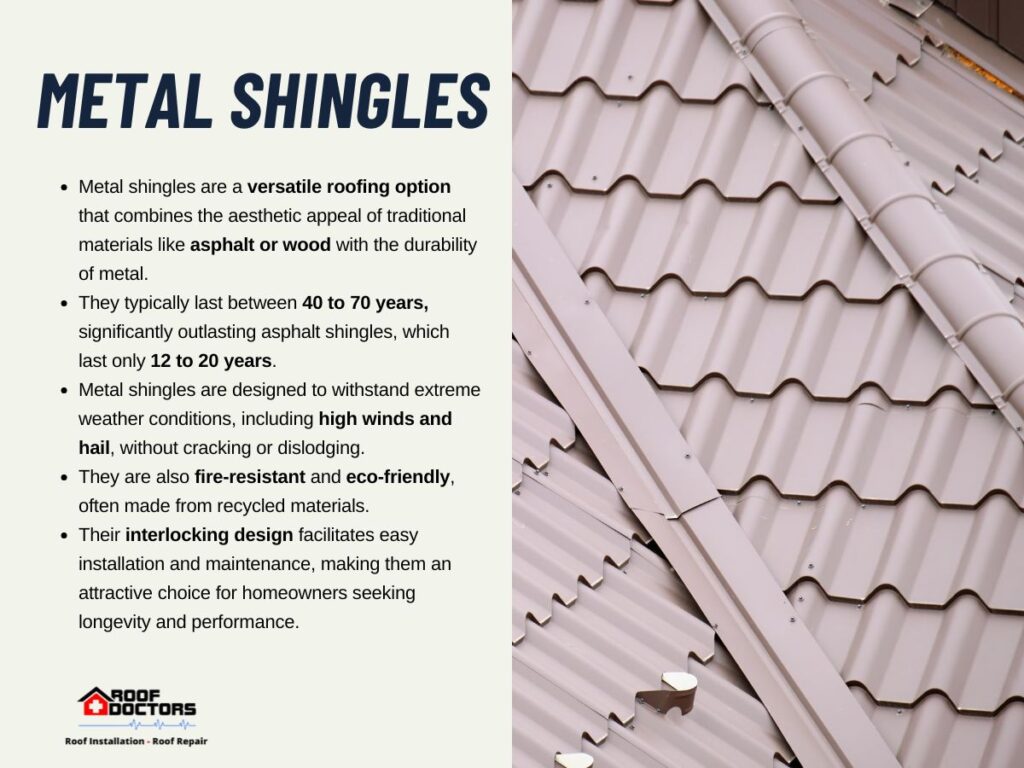
- Stone-Coated Steel: Steel panels stamped to mimic the look of traditional shingles, tiles, or wood shakes, then coated with a granular stone finish. Offers excellent aesthetic appeal, added sound dampening, and good energy efficiency, often with a heavier feel and look.
3. Copper Roofing:
- Characteristics: A premium option known for its exceptional durability, natural corrosion resistance, and distinctive aesthetic. Copper develops a beautiful green-blue patina over time, which further protects the metal.
- Energy Savings: While not inherently as reflective as new aluminum or coated steel, its high emissivity helps radiate heat. Its longevity and recyclability make it highly sustainable.
- Cost & Longevity: The most expensive metal roofing option, but also boasts the longest lifespan, often exceeding 100 years.
- Considerations: High initial cost; requires specialized installation; aesthetic appeal (patina) is subjective.
4. Zinc Roofing:
- Characteristics: Similar to copper in its premium status, zinc is incredibly durable, malleable, and develops a self-healing patina that protects against corrosion. It offers a unique matte finish.
- Energy Savings: Good thermal performance, though less reflective than new coated steel or aluminum. Its long life cycle contributes to overall sustainability.
- Cost & Longevity: High initial cost, comparable to or slightly less than copper. Lifespan typically 80-100+ years.
- Considerations: High initial cost; specialized fabrication and installation required; less common in residential applications.
Factors Influencing Energy Savings and Cost Reduction
To truly maximize the benefits of a light metal roof, consider these critical factors:
- Coating and Color: This is paramount. Opt for "cool roof" coatings and lighter colors with high SRI values, especially in warm climates. Even darker "cool colors" can offer significant reflectivity.
- Installation Method: Proper installation, including a ventilated air gap between the roof deck and the metal panels, is crucial. This creates a thermal break, further enhancing energy performance. A high-quality underlayment also contributes to insulation and moisture control.
- Insulation and Ventilation: A metal roof works best in conjunction with adequate attic insulation and ventilation. These elements form a holistic system that prevents heat transfer and moisture buildup, optimizing energy savings.
- Gauge (Thickness) of Metal: Thicker gauges generally mean greater durability and resistance to denting, though they also increase cost and weight. Balance durability with budget.
- Roof Pitch and Orientation: While less controllable, a steeper pitch can sometimes shed heat more effectively, and orientation influences direct sun exposure.
Practical Steps to Maximize Savings
- Choose an ENERGY STAR® Certified Product: Look for metal roofing products with the ENERGY STAR® label, indicating they meet specific criteria for reflectivity and emissivity.
- Consult with Experienced Professionals: Work with a roofing contractor specializing in metal roof installation. Their expertise ensures proper ventilation, sealing, and adherence to manufacturer specifications, all critical for performance and warranty.
- Prioritize Insulation and Ventilation: Before installing your new metal roof, ensure your attic has sufficient insulation and proper ventilation. These are complementary systems that enhance the metal roof’s energy-saving capabilities.
- Consider a Radiant Barrier: In very hot climates, adding a radiant barrier to your attic can provide an additional layer of heat reflection, working synergistically with your metal roof.
- Explore Local Incentives: Research federal, state, and local tax credits, rebates, or grants for energy-efficient home improvements. Many regions offer incentives for installing ENERGY STAR® rated roofing.
- Regular Cleaning: While low maintenance, occasionally cleaning your metal roof (especially lighter colors) can remove dirt, algae, or debris that might reduce its reflectivity over time.
Potential Challenges and Solutions
- Higher Initial Cost: Metal roofs generally have a higher upfront cost than asphalt shingles.
- Solution: Focus on the long-term savings. The extended lifespan, reduced energy bills, and minimal maintenance costs often lead to a lower total cost of ownership over the roof’s lifetime.
- Noise: Some people worry about increased noise during heavy rain or hail.
- Solution: Proper installation with a solid roof deck, high-quality underlayment (e.g., synthetic felt, sound-deadening mats), and good attic insulation can significantly dampen sound. Stone-coated steel roofs are particularly good at noise reduction.
- Denting: Lighter gauge metals, particularly aluminum, can be susceptible to denting from heavy impacts.
- Solution: Choose a thicker gauge metal (e.g., 24-gauge steel) or a stone-coated steel product for enhanced impact resistance.
- Aesthetics: Some homeowners perceive metal roofs as industrial.
- Solution: Modern metal roofing comes in an incredible array of styles, colors, and finishes, including those that mimic traditional shingles, shakes, and tiles, offering sophisticated aesthetics for any architectural style.
Top Light Metal Roof Options: Estimated Price Guide
This table provides estimated price ranges for materials and installation. Actual costs will vary based on location, roof complexity, specific product lines, and contractor rates.
| Metal Roof Type | Material Cost (per sq ft) | Installation Cost (per sq ft) | Total Cost (per sq ft) | Key Benefits | Considerations | Typical Lifespan |
|---|---|---|---|---|---|---|
| Aluminum | $4 – $8 | $6 – $12 | $10 – $20 | Very lightweight, rust-proof, high reflectivity, good for coastal areas. | Softer, can dent more easily; higher initial cost than steel. | 50-75 years |
| Steel (Galvalume) | $2 – $5 | $5 – $10 | $7 – $15 | Durable, strong, wide range of colors/styles, cost-effective. | Can rust if coating is compromised; heavier than aluminum. | 40-70 years |
| Steel (Stone-Coated) | $4 – $7 | $7 – $13 | $11 – $20 | Aesthetic appeal (mimics shingles/tiles), added noise reduction, durable. | Heavier, granular surface can collect debris, more complex installation. | 50-70 years |
| Copper | $10 – $20 | $15 – $30 | $25 – $50+ | Exceptional durability, unique aesthetic (patina), excellent corrosion resistance. | Very high initial cost; specialized installation required. | 100+ years |
| Zinc | $8 – $15 | $12 – $25 | $20 – $40 | Self-healing patina, extremely long lifespan, highly resistant to corrosion. | High initial cost; specific installers needed; less common in residential. | 80-100+ years |
Note: Prices are estimates and can vary significantly based on location, roof complexity, gauge of metal, coatings, and installer.
Frequently Asked Questions (FAQ)
Q1: Are metal roofs noisy during rain or hail?
A1: With proper installation, including a solid substrate (plywood deck), quality underlayment, and adequate insulation in the attic, the noise from rain or hail on a metal roof is typically no louder than on an asphalt shingle roof. Stone-coated steel roofs are particularly effective at dampening sound.
Q2: Do metal roofs attract lightning?
A2: No, a metal roof does not attract lightning. Lightning is attracted to the highest point in an area, regardless of material. In the event of a strike, a metal roof can actually be safer as it dissipates the electrical charge over a larger area, reducing fire risk. Proper grounding is always essential for overall building safety.
Q3: Are metal roofs environmentally friendly?
A3: Absolutely. Metal roofs are often made from a high percentage of recycled content (e.g., 25-95% for steel and aluminum) and are 100% recyclable at the end of their long lifespan. Their energy-saving properties also reduce carbon emissions associated with heating and cooling.
Q4: Can I walk on a metal roof?
A4: Yes, you can walk on most metal roofs, but caution is advised. It’s best to consult the manufacturer’s guidelines and wear soft-soled shoes. Walking on standing seam roofs is generally done by stepping on the flat panels, not the raised seams. For safety, it’s always recommended to use a qualified professional for any roof maintenance.
Q5: How long do metal roofs last compared to other materials?
A5: Metal roofs typically last 40 to 70 years, with some materials like copper and zinc exceeding 100 years. This is significantly longer than asphalt shingles (15-30 years), wood shakes (20-30 years), or even most tile roofs (50 years).
Q6: What is SRI, and why is it important?
A6: SRI stands for Solar Reflectance Index. It’s a measure of a roof’s ability to reflect solar heat and emit absorbed heat. A higher SRI value means the roof stays cooler, reflecting more sunlight and radiating less heat into the building, which directly translates to energy savings.
Q7: Are there government incentives for installing metal roofs?
A7: Yes, many federal, state, and local governments, as well as utility companies, offer incentives for installing energy-efficient roofing materials, particularly those that are ENERGY STAR® certified. These can include tax credits, rebates, or grants. It’s crucial to research what’s available in your specific area.
Conclusion
Choosing a light metal roof for your home or business is a powerful statement of commitment to both financial prudence and environmental responsibility. By understanding the nuances of different materials, leveraging advanced cool roof technologies, and ensuring professional installation, you can unlock significant energy savings, drastically cut utility bills, and enjoy a host of ancillary benefits like unparalleled durability and low maintenance. While the initial investment may be higher than conventional roofing, the long-term returns in energy savings, extended lifespan, and enhanced property value make light metal roofing an intelligent and sustainable choice for the discerning property owner. It’s more than just a roof; it’s a smart investment in your future.