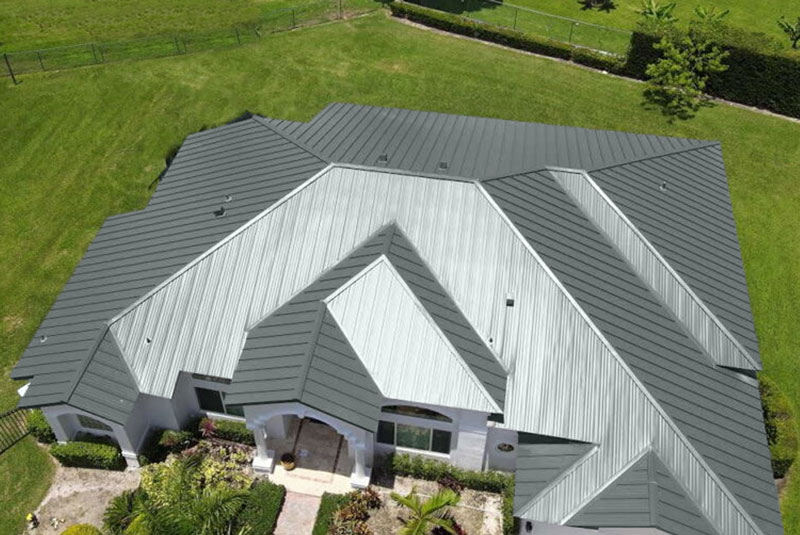
Light Metal Roofs: A Comprehensive Guide to Modern Roofing Solutions
In the evolving landscape of construction and architectural design, roofing materials have seen significant innovation. Among the most impactful advancements are Light Metal Roofs, a category that has swiftly moved from niche to mainstream, celebrated for their exceptional blend of durability, efficiency, and aesthetic versatility. Far from the utilitarian corrugated sheets of yesteryear, today’s light metal roofs represent a sophisticated choice for homeowners and commercial builders alike, offering a long-term investment that pays dividends in performance, sustainability, and curb appeal.
This comprehensive guide delves into the world of light metal roofs, exploring what makes them a superior option, their myriad benefits, the different types available, crucial installation considerations, and essential maintenance tips. Whether you’re contemplating a new roof for a custom build or considering an upgrade for an existing structure, understanding the nuances of light metal roofs is key to making an informed decision.
What Constitutes a Light Metal Roof?
At its core, a light metal roof is a roofing system composed of metal panels or shingles that are significantly lighter than traditional materials like asphalt shingles, clay tiles, or slate. The "light" aspect not only refers to the material’s inherent weight but also its impact on the underlying structure. These roofs are typically made from a variety of metals, each offering distinct characteristics:
- Aluminum: Exceptionally lightweight and naturally corrosion-resistant, aluminum is an excellent choice for coastal areas or regions with heavy rainfall. It’s highly reflective, contributing significantly to energy efficiency.
- Steel (Galvanized or Galvalume): Steel is the most common metal used for roofing, often coated with zinc (galvanized) or a mixture of aluminum and zinc (Galvalume) for superior corrosion resistance and longevity. It offers excellent strength and comes in various gauges (thicknesses).
- Copper: Renowned for its unparalleled longevity and distinctive aesthetic, copper roofs develop a beautiful patina over time, transitioning from a shiny new penny look to a rich, earthy brown, and eventually to a striking verdigris green. While pricier, its lifespan can exceed 100 years.
- Zinc: A highly durable and self-healing metal, zinc develops a protective patina that repairs scratches and imperfections over time. It’s incredibly resistant to corrosion and offers a unique matte finish, often seen in high-end architectural applications.
The weight per square foot for light metal roofs can range from 0.7 to 1.5 pounds, significantly less than asphalt shingles (2-4 pounds) or concrete tiles (9-12 pounds). This reduced weight places less stress on the building’s foundation and framing, potentially reducing structural requirements for new constructions or allowing for easier re-roofing over existing materials in renovations. Advanced coatings and finishes further enhance their performance, providing UV protection, color retention, and additional resistance to weathering.
The Unrivaled Benefits of Light Metal Roofs
The popularity of Light Metal Roofs isn’t just a trend; it’s a testament to a robust suite of benefits that address modern demands for sustainability, efficiency, and longevity.
Durability & Longevity
Light metal roofs are engineered for the long haul. With proper installation and minimal maintenance, they can last 40 to 70 years, and even longer for materials like copper and zinc, far outperforming asphalt shingles (15-30 years). They are inherently resistant to cracking, shrinking, and eroding, and can withstand extreme weather conditions, including high winds, heavy snow loads, and hail. Many come with extensive warranties, reflecting manufacturers’ confidence in their lifespan.
Lightweight Advantage
The reduced weight of these roofing systems is a significant structural advantage. It lessens the load on your home’s framing and foundation, which can be particularly beneficial for older homes or those in seismic zones. For new construction, it can sometimes allow for lighter, less expensive framing. Furthermore, the lighter weight simplifies installation, often reducing labor costs and time. In many re-roofing scenarios, light metal roofs can be installed directly over existing asphalt shingles, saving on tear-off and disposal costs.
Energy Efficiency
Light Metal Roofs are champions of energy efficiency. Most metal roofs are available with "cool roof" coatings that reflect solar radiant heat, rather than absorbing it. This significantly reduces heat gain in the attic and living spaces below, leading to lower air conditioning costs in warmer months. In some cases, homeowners can save 10-25% on their annual energy bills. Their thermal mass also helps retain heat in colder climates, contributing to insulation benefits year-round.
Sustainability & Recyclability
Metal roofing is one of the most environmentally friendly roofing options available. Many light metal roofs are made from a high percentage of recycled content (e.g., steel often contains 25-95% recycled material), and at the end of their long life, they are 100% recyclable. This drastically reduces landfill waste compared to asphalt shingles, which contribute billions of pounds of waste annually. Their energy efficiency also reduces the carbon footprint associated with heating and cooling.
Aesthetic Versatility
Gone are the days when metal roofs were limited to agricultural buildings. Today, Light Metal Roofs come in an astonishing array of styles, colors, and finishes to complement any architectural design. From the sleek, modern lines of standing seam panels to metal shingles that mimic the look of slate, wood shake, or clay tile, there’s a metal roof to suit every taste. Advanced painting technologies ensure vibrant, long-lasting colors that resist fading, chalking, and chipping.
Low Maintenance
Compared to other roofing materials, light metal roofs require very little maintenance. They don’t typically grow moss or algae, and their hard, smooth surfaces allow snow to slide off easily. Periodic inspections and cleaning of gutters are generally all that’s needed to keep them in prime condition.
Fire Resistance
Metal is non-combustible, giving light metal roofs a Class A fire rating, the highest possible. This provides superior protection against external fires, such as those caused by lightning or airborne embers, offering peace of mind and potentially lowering insurance premiums.
Types and Styles of Light Metal Roofs
The aesthetic flexibility of Light Metal Roofs is one of their most compelling attributes. Understanding the various types and styles helps in selecting the perfect match for your property:
- Standing Seam Metal Roofs: This is perhaps the most recognizable modern metal roof style, characterized by raised interlocking seams that run vertically up the roof panels. These seams mechanically connect panels, eliminating the need for exposed fasteners, which enhances weather resistance and provides a sleek, contemporary look. Available in steel, aluminum, copper, and zinc.
- Metal Shingles/Tiles: Designed to mimic the appearance of traditional roofing materials like asphalt shingles, wood shakes, slate, or clay tiles, these panels offer the aesthetic appeal of classic roofs with the superior performance of metal. They are often stamped or pressed into specific profiles and come in various colors and textures.
- Corrugated Metal Roofs: While often associated with utilitarian structures, modern corrugated panels have evolved. They feature a wavy or ribbed profile, providing strength and rigidity. Available in various gauges and finishes, they can offer a rustic or industrial-chic look, especially when used with modern architectural designs.
- Stone-Coated Metal Roofs: These roofs combine the strength and durability of steel with the aesthetic appeal of natural stone. Each panel is coated with an acrylic base, then layered with stone chips, and sealed with another acrylic topcoat. This creates a highly durable, visually rich surface that resembles heavy clay tiles, slate, or wood shakes, but without the weight.
Installation: A Crucial Step
The performance and longevity of a Light Metal Roof are heavily dependent on professional and precise installation. While some DIY enthusiasts might consider taking on the project, the complexity of metal roofing systems typically warrants engaging experienced professionals.
- Substrate Preparation: The existing roof deck must be clean, dry, and structurally sound. Proper underlayment, often a synthetic membrane, is critical for moisture protection and acts as a secondary barrier.
- Fastening Methods: Depending on the metal roof type, panels are fastened using concealed clips (standing seam) or exposed fasteners (corrugated). Proper fastening ensures wind uplift resistance and prevents water intrusion.
- Flashing and Sealing: Around chimneys, skylights, vents, and valleys, precise flashing and sealing are paramount to prevent leaks. This requires specialized knowledge and attention to detail.
- Ventilation: Adequate attic ventilation is essential for any roof system, but especially for metal roofs, to prevent moisture buildup, manage attic temperatures, and contribute to overall energy efficiency.
Choosing a certified and reputable installer with specific experience in metal roofing is the most practical advice. Their expertise ensures that the roof is installed according to manufacturer specifications and local building codes, maximizing its lifespan and warranty coverage.
Important Considerations Before Investing
While the benefits of Light Metal Roofs are compelling, a few considerations should be weighed before making a decision:
- Initial Cost: Light metal roofs typically have a higher upfront cost than asphalt shingles. However, their superior longevity and lower lifetime costs (due to reduced maintenance and energy savings) often make them a more economical choice in the long run.
- Noise: Some homeowners worry about noise during rain or hail. Modern installation techniques, such as solid decking and insulation, effectively mitigate sound, making metal roofs often no noisier than other roofing materials. Stone-coated metal roofs are particularly effective at dampening sound.
- Denting: While highly durable, thinner gauge metal roofs can be susceptible to denting from severe hail or falling debris. Choosing a thicker gauge material or a stone-coated option can reduce this risk.
- Local Building Codes & Climate: Always verify that your chosen metal roofing system meets local building codes, especially concerning wind resistance and snow load capacity for your specific climate.
- Choosing a Contractor: Research contractors thoroughly. Look for those with extensive experience in metal roofing, good reviews, proper licensing, and comprehensive warranties on both materials and labor.
Maintenance Tips for Prolonged Performance
One of the great advantages of Light Metal Roofs is their low maintenance profile. However, a little proactive care can ensure they perform optimally for decades:
- Regular Inspection: Conduct visual inspections twice a year (spring and fall) and after severe storms. Look for any loose fasteners, damaged panels, or clogged gutters.
- Cleaning: Remove debris like leaves, branches, and dirt from the roof surface, especially in valleys and around flashing. Use a soft brush or low-pressure washer; avoid harsh chemicals or high-pressure washing that could damage coatings.
- Gutter Maintenance: Keep gutters and downspouts clear to ensure proper water drainage away from the roof and foundation.
- Minor Repairs: Address any small issues, such as a loose fastener or a minor scratch in the coating, promptly. Most manufacturers offer touch-up paint kits for minor cosmetic damage.
Practical Advice and Actionable Insights
For anyone considering a Light Metal Roof, here are some actionable steps:
- Do Your Homework: Thoroughly research the different types of metal, styles, and finishes available. Understand their pros and cons relative to your specific needs and climate.
- Get Multiple Quotes: Contact at least three reputable metal roofing contractors. Ensure their quotes are detailed and itemize materials, labor, and warranty information.
- Prioritize Quality Over Price: While cost is a factor, the cheapest option may not be the best in the long run. A high-quality metal roof is a significant investment that will last for decades.
- Consider Long-Term Value: Factor in energy savings, extended lifespan, and reduced maintenance when evaluating the overall cost of a metal roof compared to other options.
- Check Certifications and Warranties: Ensure the materials come with comprehensive manufacturer warranties and that your installer provides a labor warranty.
Price Table: Estimated Costs for Light Metal Roofs
Please note that these prices are estimates and can vary significantly based on location, contractor, roof complexity, specific material brand, gauge, finish, and current market conditions. It’s crucial to get detailed quotes from local professionals.
| Material Type | Style | Est. Material Cost (per sq. ft.) | Est. Installed Cost (per sq. ft.) | Key Characteristics Affecting Price |
|---|---|---|---|---|
| Galvanized/Galvalume Steel | Corrugated | $1.50 – $4.00 | $5.00 – $10.00 | Gauge, coating type (e.g., Kynar), color, roof complexity. |
| Standing Seam | $4.00 – $8.00 | $8.00 – $16.00 | Gauge, panel width, seam type, custom fabrication. | |
| Shingles/Tiles | $3.00 – $7.00 | $7.00 – $14.00 | Profile (e.g., slate, shake imitation), finish quality. | |
| Aluminum | Standing Seam | $5.00 – $10.00 | $10.00 – $20.00 | Thickness, finish (e.g., anodized, painted), corrosion resistance. |
| Shingles/Tiles | $4.00 – $8.00 | $8.00 – $16.00 | Profile, coating for salt-air resistance. | |
| Stone-Coated Steel | Shingles/Tiles | $4.00 – $8.00 | $9.00 – $18.00 | Stone chip quality, acrylic coating, profile detail (e.g., Mediterranean, wood shake). |
| Copper | Standing Seam | $10.00 – $25.00 | $20.00 – $40.00 | Gauge, sheet size, installation complexity, specialized labor. |
| Shingles/Tiles | $8.00 – $20.00 | $18.00 – $35.00 | Custom stamping, intricate designs, higher scrap value. | |
| Zinc | Standing Seam | $8.00 – $20.00 | $18.00 – $35.00 | Thickness, specific alloy (e.g., pre-weathered), specialized fabrication and installation. |
Note: "Square foot" refers to the roof area, not necessarily the living space. These prices do not include potential costs for tear-off and disposal of old roofing, or extensive repairs to the roof deck.
Frequently Asked Questions (FAQ) about Light Metal Roofs
Q: Are light metal roofs noisy when it rains or hails?
A: Modern light metal roofs, especially those installed over a solid substrate like plywood decking and with proper insulation, are generally no noisier than other roofing materials. Stone-coated metal roofs are particularly effective at dampening sound.
Q: How long do light metal roofs typically last?
A: Depending on the material and proper installation, light metal roofs can last 40 to 70 years or even longer for materials like copper and zinc. This significantly outlasts traditional asphalt shingles.
Q: Are light metal roofs expensive?
A: The initial cost of light metal roofs is typically higher than asphalt shingles. However, their exceptional longevity, low maintenance, and energy efficiency often result in a lower "lifetime cost" compared to other roofing options, making them a wise long-term investment.
Q: Can I walk on a metal roof?
A: Yes, you can generally walk on a metal roof, but it’s important to do so carefully and know where to step to avoid damaging the panels, especially for standing seam roofs. Always wear soft-soled shoes and distribute your weight evenly. Consult your installer for specific recommendations for your roof type.
Q: Are light metal roofs energy efficient?
A: Absolutely. Many light metal roofs are "cool roofs" that reflect solar radiation, significantly reducing heat absorption and lowering cooling costs. Their insulation properties can also help retain heat in colder months.
Q: Do light metal roofs rust?
A: Modern light metal roofs are designed to resist rust. Steel roofs are coated with protective layers like zinc (galvanized) or aluminum-zinc alloy (Galvalume). Aluminum, copper, and zinc are naturally corrosion-resistant. Proper installation and maintenance are key to preventing rust.
Q: Are light metal roofs suitable for all climates?
A: Yes, light metal roofs perform exceptionally well in a wide range of climates. They are highly resistant to high winds, heavy snow loads, hail, extreme temperatures, and even fire, making them a versatile choice for almost any environment.
Conclusion
Light Metal Roofs stand as a testament to innovation in construction, offering a compelling blend of aesthetic flexibility, unparalleled durability, and significant environmental benefits. Their lightweight nature eases structural demands, while their energy efficiency contributes to substantial long-term savings. From the sleek lines of standing seam to the classic appeal of stone-coated shingles, there’s a light metal roof solution to meet virtually any design preference and performance requirement.
While the initial investment may be higher than conventional options, the extended lifespan, minimal maintenance, and contribution to a sustainable future firmly establish light metal roofs as a smart, value-driven choice for discerning property owners. By understanding the diverse materials, installation nuances, and long-term advantages, you can confidently invest in a roofing system that will protect your property and enhance its value for generations to come. For more detailed information on selecting the right material for your property, visit our guide on Light Metal Roofs.